A Close Look at a $100M Piece of Photographic History: Machine E
Our take
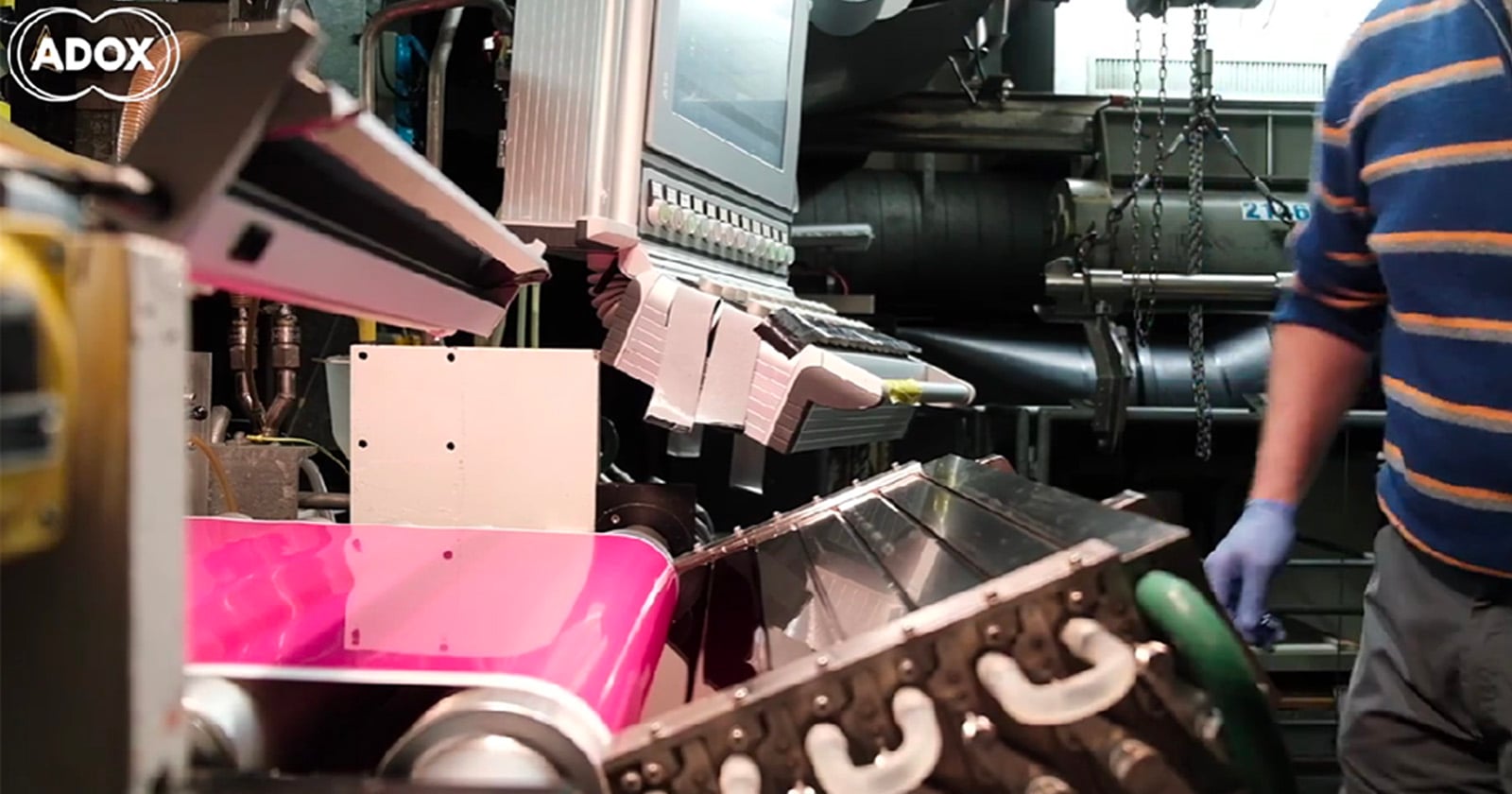
The rediscovery and preservation of Machine E, a $100 million photographic coating machine nestled in Marly, Switzerland, offers a fascinating glimpse into the often-overlooked industrial backbone of photographic innovation. It's easy to get caught up in the artistry of the final image, the technical prowess of the camera itself, or the creative vision of the photographer, but the machinery that enables those things – the intricate processes of film and coating development – frequently remain outside of popular consciousness. This machine, responsible for bringing countless world-beating photographic products to market, represents a tangible link to a history where analog processes reigned supreme and meticulous engineering was paramount. Considering the current landscape of readily available digital photography, where image creation is often instantaneous and seemingly effortless, it’s striking to reflect on the complexity and precision involved in earlier photographic workflows. The ongoing documentation of this machine’s legacy is particularly relevant given recent analyses of documentary photography’s role in capturing social realities, such as the powerful exhibition examined in 80 Years of Documentary Photography Reveal the Darker Side of Britain and Ireland, and the current market fluctuations impacting camera manufacturers, as highlighted by Nikon Cuts Camera and Lens Sales Projections Amid Slow Start to the Fiscal Year. The sheer scale of the investment – $100 million – underscores the critical role such machinery played in the photographic industry's golden age. This wasn't simply about producing images; it was about establishing entire ecosystems of photographic products, from film stocks with distinct characteristics to specialized papers that yielded unique tonal ranges. Machine E, therefore, represents more than just a piece of equipment; it’s a symbol of a period of intense technological advancement and fierce competition within the photographic sector. While today’s industry is largely driven by digital innovation and accessible consumer markets, understanding the foundations laid by machines like this provides a crucial context for appreciating the evolution of image-making. It also speaks to a time when manufacturing processes were deeply intertwined with artistic expression, demanding a level of precision and collaboration that’s arguably less prevalent in the age of digital manipulation. The fact that this machine has remained relatively unknown until now adds another layer of intrigue; it suggests that many of the critical processes underpinning photographic history have been quietly preserved, waiting to be rediscovered and re-evaluated. The current deals available on various cameras, as detailed in Tons of Top Cameras Are Discounted Right Now, further highlight the shifting landscape of the industry, making the preservation of this analog legacy even more significant. The preservation of Machine E isn't just a matter of historical curiosity; it also has potential implications for contemporary photography and the broader creative industries. The resurgence of analog photography, driven by a desire for tangible processes and a rejection of digital homogeneity, suggests a renewed appreciation for the techniques and materials that were once considered obsolete. While digital tools offer unparalleled convenience and flexibility, many photographers are drawn to the unique aesthetic qualities and the deliberate, hands-on approach of analog workflows. Understanding the machinery that made those workflows possible could inspire new forms of artistic experimentation and even lead to the development of innovative hybrid processes that combine analog and digital techniques. Furthermore, the meticulous engineering and precision of machines like Machine E offer valuable lessons for contemporary manufacturing, reminding us of the importance of craftsmanship and attention to detail in a world increasingly dominated by mass production. The enduring appeal of photographic history, coupled with a growing interest in tangible creative processes, makes the rediscovery of this machine a particularly timely and relevant event. Looking ahead, it's intriguing to consider how the study of Machine E and similar industrial relics might shape the future of photographic technology. Will we see a renewed focus on material science and the development of new film stocks and papers? Could the principles of precision engineering embodied in these machines inspire the design of new digital imaging systems? Perhaps most importantly, the preservation of Machine E serves as a potent reminder of the human ingenuity and collaborative effort that has driven the evolution of photography, a legacy worth cherishing and exploring for generations to come.
In a town close to the French/German language split in Switzerland lies a piece of photographic history that is worth taking a look at. In Marly, Switzerland, lies Machine E, a multilayer photographic coating machine that has been used to bring many world-beating photographic products to the market.
Read on the original site
Open the publisher's page for the full experience