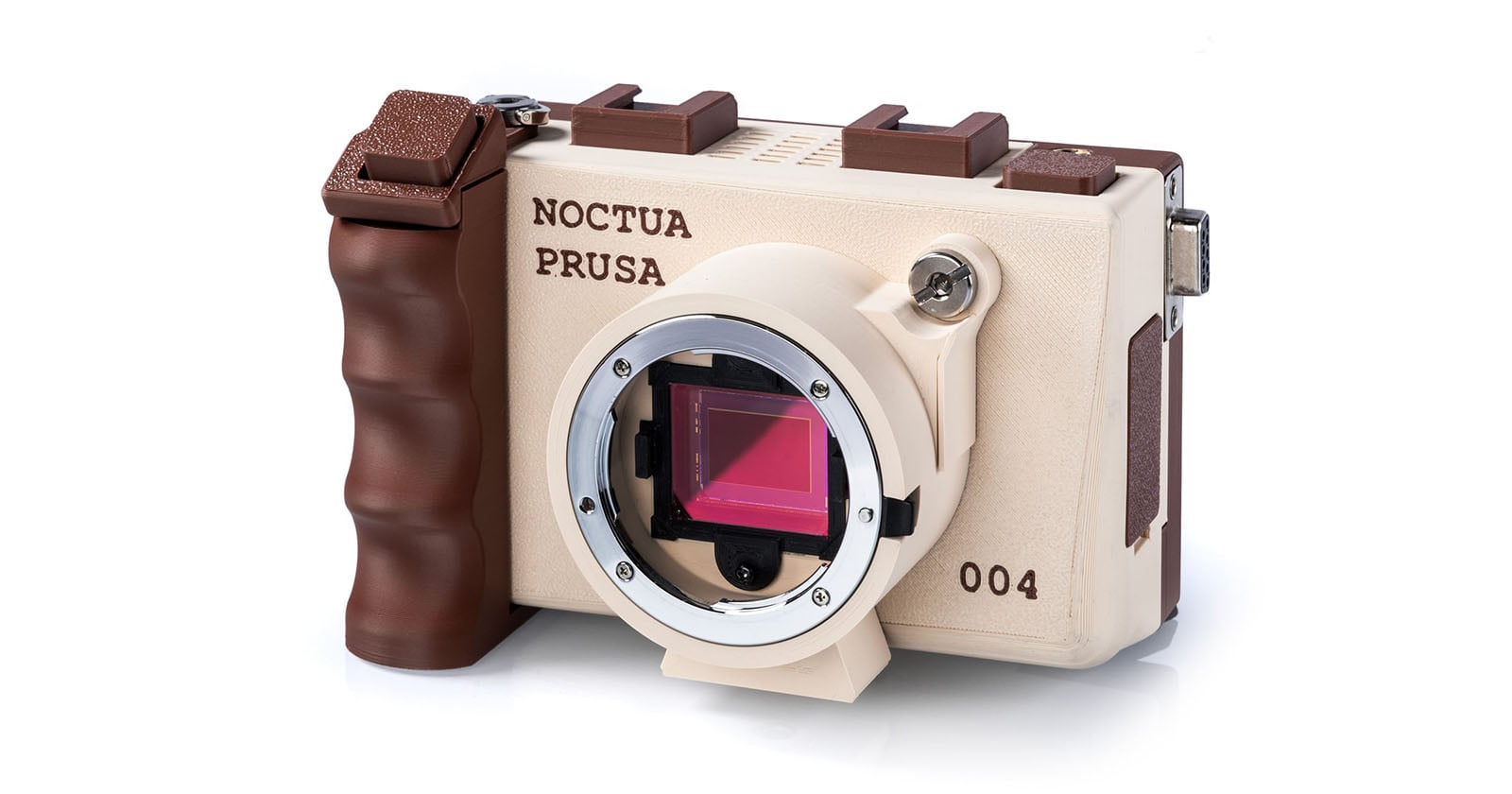
The rise of generative AI has cast a long shadow over the creative landscape, and nowhere is this more acutely felt than in photography. The ease with which realistic, yet entirely fabricated, images can be produced has understandably fueled a growing crisis of trust. Caimera’s new CAIM1 camera, a collaborative effort with Noctua, represents a bold and intriguing attempt to address this challenge head-on. It's a fascinating response to an escalating concern, one that echoes the anxieties explored in Muse AI’s Ascent Elevates Meta, Redefining the App Landscape, where we examined the transformative impact of AI on digital platforms, and the potential for both immense benefit and significant disruption. The CAIM1’s cryptographic authentication system, embedded at the point of capture, essentially creates a digital fingerprint, a verifiable record proving the image’s origin and integrity. This isn't just about preventing deepfakes; it’s about safeguarding the very notion of photographic truth in a world increasingly saturated with synthetic realities. The partnership with Noctua, known for their precision engineering and quiet PC cooling solutions, speaks to the seriousness of the project; it suggests a commitment to both technological innovation and reliable performance, qualities that resonate with our audience’s appreciation for both form and function. The very name, "Counter Artificial Intelligence Machine 1," is a declaration of intent. The core innovation lies in the camera's ability to cryptographically sign each image at the moment it's taken, creating an immutable record of its authenticity. This goes beyond simple metadata tagging; it’s a fundamental shift in how photographic data is handled. While the technology is still in the prototype phase, and the practical implications of widespread adoption remain to be seen, the underlying principle is sound. It’s a proactive approach, aiming to build trust into the photographic process itself, rather than relying on reactive detection methods that always play catch-up to increasingly sophisticated AI tools. This aligns with the broader conversations around digital identity and provenance that are becoming increasingly vital in numerous fields, from art and journalism to scientific research. Consider the concerns raised in Beyond the Frame: Protecting Young Explorers in an Age of Viral Discovery, where we discussed the vulnerability of individuals in a hyper-connected world – a similar principle of verifiable authenticity could be applied to protect personal data and narratives. The choice of Micro Four Thirds format is also noteworthy, balancing portability with image quality, appealing to a demographic that values both artistic expression and technical capability. The CAIM1's success, however, hinges on several factors. Firstly, adoption requires a critical mass of both photographers and platforms willing to embrace the technology. If only a small fraction of images are cryptographically signed, the system’s effectiveness diminishes. Secondly, the implementation needs to be seamless and user-friendly; cumbersome processes will deter widespread use. Thirdly, and perhaps most importantly, the system must be robust against manipulation. While cryptographic authentication is inherently secure, vulnerabilities can always emerge, and the camera's design must account for potential exploits. This is where Noctua’s engineering expertise comes into play, ensuring the system’s reliability and resilience. The aesthetics of the prototype, with its 3D-printed beige and brown color scheme, suggest a deliberate departure from the sleek, minimalist designs often favored in the camera industry, perhaps signaling a focus on functionality and durability over pure aesthetics. It’s a statement, too, a rejection of the superficiality that can sometimes pervade the luxury market, echoing the values explored in Finding Sanctuary: A Photographer’s Immersive Life on Mount Fuji, where we highlighted the importance of authentic experience and connection over manufactured spectacle. Ultimately, Caimera’s CAIM1 represents more than just a new camera; it’s a symbolic response to a fundamental shift in the digital landscape. It’s a recognition that the traditional notions of photographic truth are under threat, and a proactive attempt to reclaim them. While the technology is still nascent, the underlying concept – embedding authenticity at the point of creation – holds immense promise. As AI continues to evolve and blur the lines between reality and fabrication, the need for verifiable provenance will only become more critical. The question now is not *if* authentication will become standard, but *when*, and what form it will ultimately take.