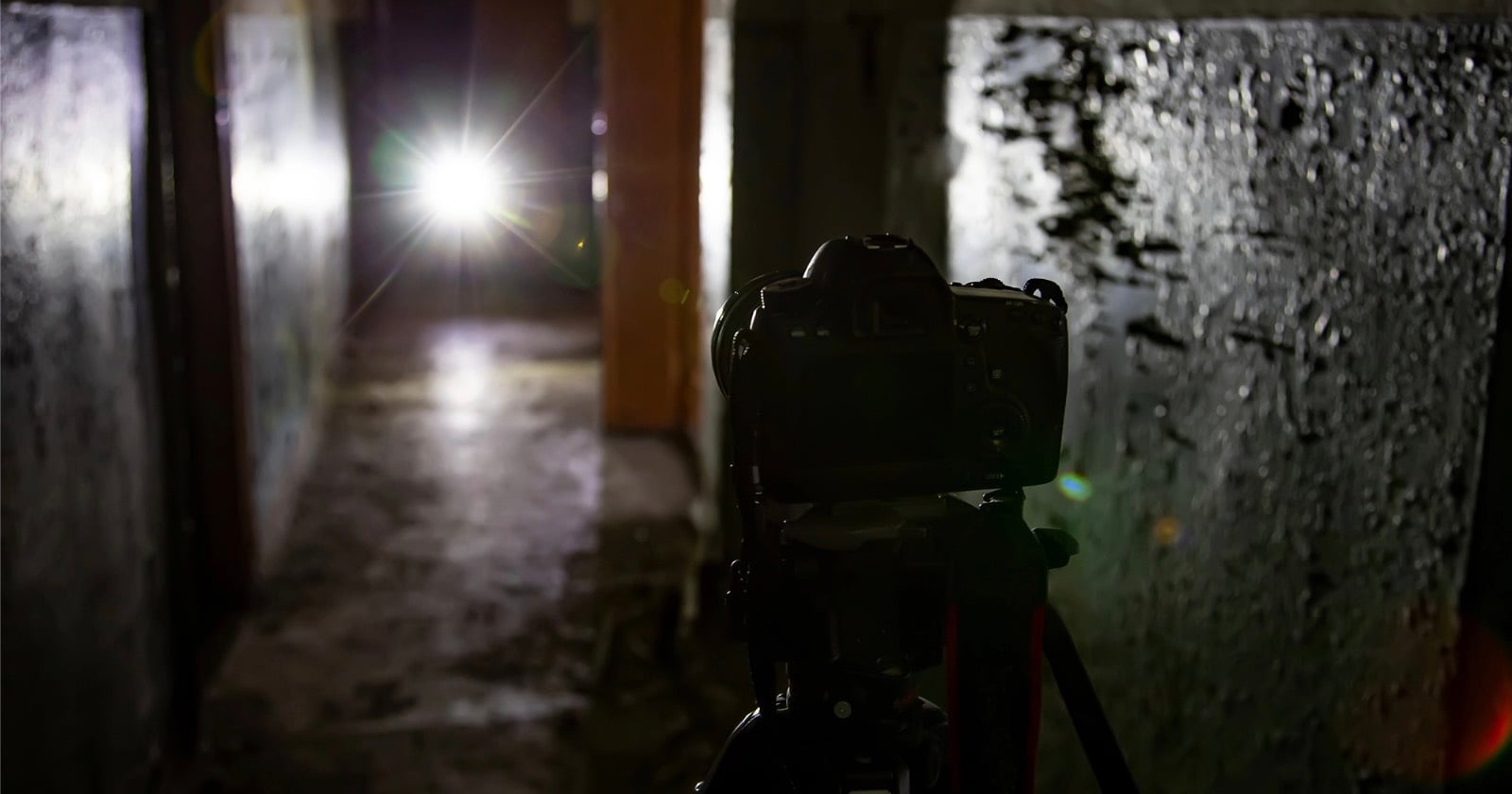
The allure of the unseen, the forgotten, the decaying – it’s a potent draw for artists and adventurers alike. This recent surge in young people engaging in urban exploration (Urbex) photography, documented by U.K. police warnings, isn’t entirely surprising, but it does highlight a concerning intersection of aspiration, social media validation, and genuine risk. The desire to capture striking imagery, to craft a compelling narrative through a lens, is fundamentally creative, echoing the immersive dedication seen in photographers who choose to live amongst the elements, such as the individual featured in Finding Sanctuary: A Photographer’s Immersive Life on Mount Fuji. Similarly, the pursuit of a striking visual, a moment of arresting beauty, is at the heart of the celebrated work showcased in Vibrant Visions: Celebrating the Artistry of Bird Photography Winners, though pursued with significantly less inherent danger. The difference lies in the environment and the potential consequences of failure.
The quest for viral recognition on platforms like TikTok and Instagram undeniably fuels this trend. The promise of fleeting fame, of instant validation through likes and shares, can overshadow a rational assessment of the potential hazards. Abandoned buildings are rarely structurally sound; they are often riddled with asbestos, mold, and other dangerous materials. Beyond the physical dangers, there’s the legal aspect – trespassing is a crime, and the consequences can be severe. The ease with which images and videos can be disseminated online, while facilitating the spread of awareness about this issue, also amplifies the pressure on young people to participate, to chase that viral moment regardless of the risks involved. This is further complicated by the rapid pace of technological advancement and the constant evolution of camera equipment; a pursuit of the ultimate shot, as explored in discussions around the challenges of flagship cameras like the Canon R3 Canon’s Problem with the Flagship R3, can sometimes prioritize technical achievement over personal safety.
What’s particularly troubling is the lack of experience and preparedness often exhibited by these young explorers. Unlike seasoned Urbex photographers who prioritize safety protocols, conduct thorough research, and possess a deep respect for the spaces they enter, many of these children are acting impulsively, driven by a desire for a quick thrill and the potential for online fame. The romanticized image of urban exploration, often portrayed as a daring adventure, frequently obscures the stark reality of the risks involved. It’s a disconnect between the curated aesthetic presented online and the inherent dangers of the physical environment. The responsibility, therefore, falls squarely on parents and educators to engage in open and honest conversations about the potential consequences of this pursuit.
Ultimately, this situation compels us to consider the broader implications of social media’s influence on young people’s behavior. The pursuit of online validation, while not inherently negative, can lead to reckless decision-making when it overshadows sound judgment and personal safety. As technology continues to blur the lines between the virtual and the real, and as the desire for online recognition intensifies, how can we foster a culture of responsible exploration and creative expression that prioritizes well-being over fleeting internet fame? The coming years will likely see increased scrutiny of online platforms and a growing need for media literacy education, equipping young people with the critical thinking skills necessary to navigate the complexities of the digital age and make informed choices about their engagement with potentially dangerous trends.