CBS Denies ’60 Minutes’ Promotional Photo is Manipulated
Our take
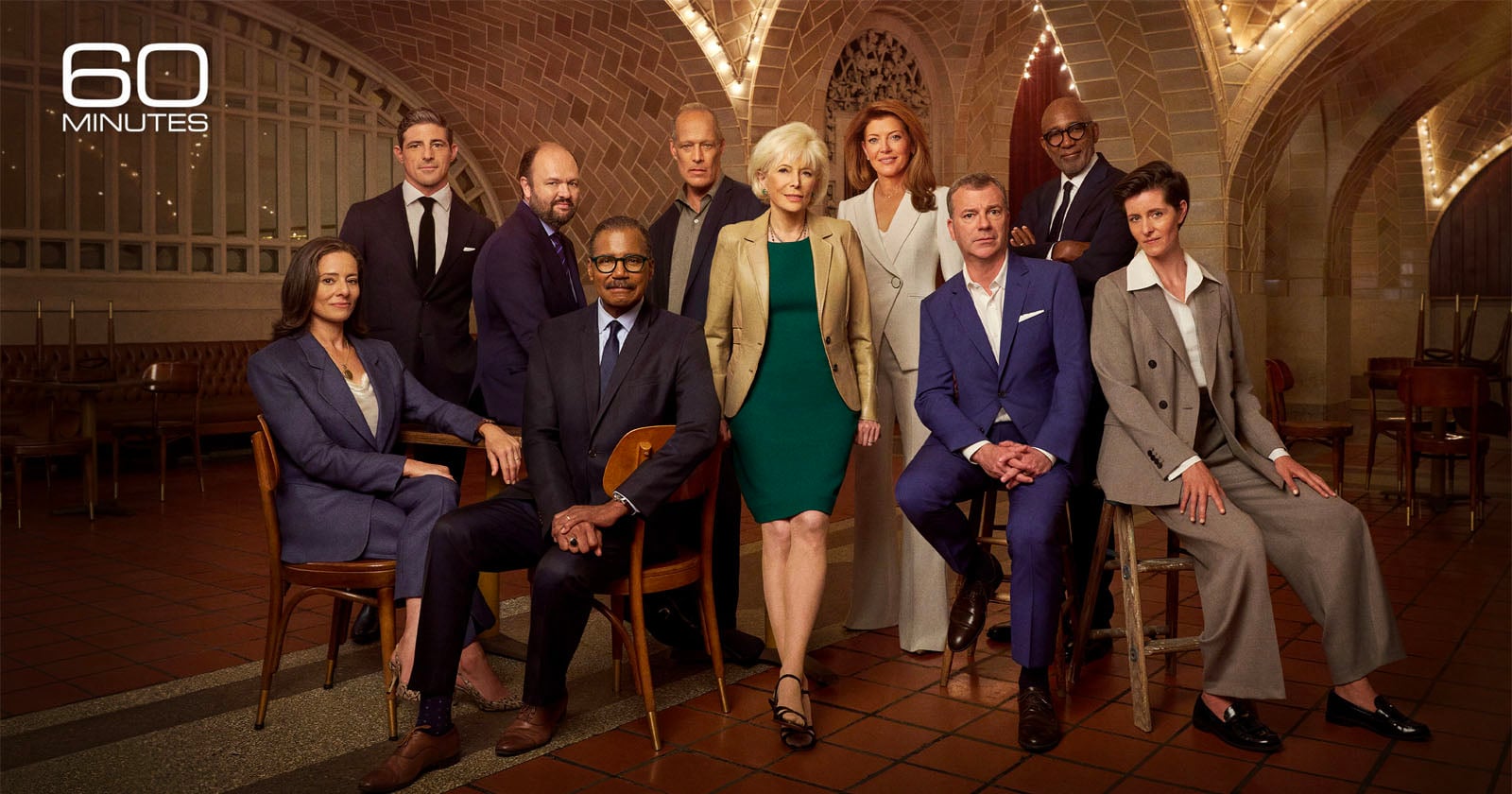
The recent kerfuffle surrounding CBS’s promotional photo for the upcoming season of *60 Minutes*—and their subsequent denial of manipulation—highlights a growing tension within visual media: the blurring lines between artistic enhancement and outright fabrication. While CBS insists the image, featuring the show’s correspondents in a striking, tiled setting, wasn’t digitally altered, the initial reaction online suggested otherwise. The debate mirrors similar controversies that have plagued photography for decades, from Ansel Adams' darkroom techniques to the more recent accusations leveled against photojournalists. It’s a conversation amplified by our increasingly sophisticated image editing tools and the heightened scrutiny afforded by social media. This situation echoes concerns previously raised regarding authenticity online, such as the recent reports of scammers extorting Instagram users with bogus copyright strikes Scammers Are Extorting Instagram Users With Bogus Copyright Strikes – both situations demonstrating the potential for digital manipulation to erode trust. The incident also sits alongside ongoing historical debates, like those surrounding Robert Capa’s iconic "The Falling Soldier," where experts now claim Gerda Taro was the actual photographer Experts Claim Gerda Taro Took ‘The Falling Soldier’, Not Robert Capa, further illustrating the complexities of verifying photographic truth.
The core of the issue isn't necessarily about whether CBS altered the image in a way that fundamentally misrepresented reality. It’s about the *perception* of manipulation and the expectation of transparency. Even subtle adjustments to lighting, color, or composition can raise eyebrows in an era where deepfakes and AI-generated imagery are becoming increasingly commonplace. The public’s skepticism is warranted, particularly when dealing with news organizations that hold a position of authority and are expected to uphold journalistic integrity. While the use of Photoshop and other editing tools is standard practice in advertising and fashion, the application of similar techniques to promotional materials for a news program carries a different weight. It risks undermining the credibility of the program and the network as a whole, suggesting a willingness to prioritize aesthetics over accuracy. This is particularly relevant considering the recent advancements in lens technology, as evidenced by Sony’s announcement of the FE 8-14mm f/3.5 Fisheye G The 8-14mm f/3.5 Fisheye G Is Sony’s First Full-Frame Fisheye in 20 Years, which highlights the increasing ability to capture incredibly detailed and nuanced images without relying on digital manipulation.
This controversy also underscores a broader shift in how audiences consume visual information. We are now more discerning and critical of the images we encounter, aware of the potential for deception and the ease with which reality can be altered. The rise of citizen journalism and social media has democratized image creation, but it has also blurred the lines between professional and amateur photography, making it more challenging to distinguish between authentic documentation and carefully constructed narratives. News organizations, in particular, need to be proactive in addressing these concerns, adopting clear policies regarding image manipulation and being transparent about their editing practices. Simply denying allegations of manipulation is no longer sufficient; a more nuanced and proactive approach is required to maintain public trust. The visual language of news and entertainment is evolving, and organizations must adapt to meet the expectations of a more informed and skeptical audience.
Looking ahead, we can anticipate a continued debate about the ethics of image manipulation, particularly as AI-powered tools become even more sophisticated. The question isn’t whether editing should be eliminated entirely – that's unrealistic and arguably counterproductive – but rather how to ensure that it’s used responsibly and transparently. How will news organizations and media platforms navigate this evolving landscape? Will we see the emergence of new verification technologies to detect manipulated images? And perhaps most importantly, how will audiences develop a more critical eye, capable of discerning between authentic representation and carefully crafted illusion? The CBS incident serves as a potent reminder that the pursuit of visual perfection should never come at the expense of truth and integrity.
CBS has been forced to deny that its new promotional photo for the upcoming 60 Minutes series was manipulated.
Read on the original site
Open the publisher's page for the full experience