Don McCullin’s Final Photo Book Will Look Back at His 16 Trips to Vietnam
Our take
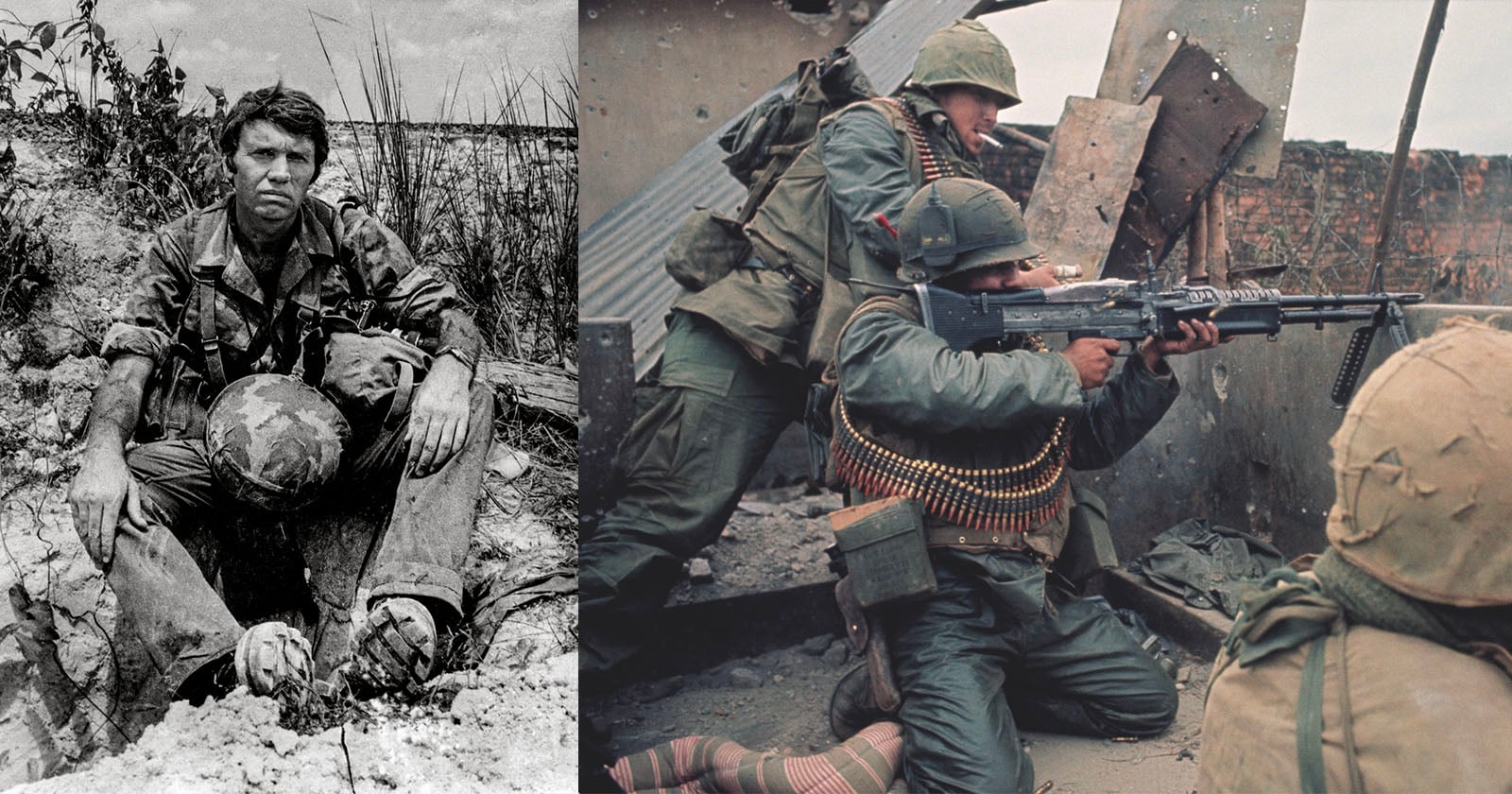
The announcement that Don McCullin’s final photographic project will be a comprehensive retrospective on his sixteen journeys to Vietnam carries profound weight, not just for the photographic community, but for anyone grappling with the enduring legacy of conflict. McCullin, a titan of war photography, isn't merely documenting events; he's excavating the raw, visceral truths of human suffering and resilience. His work transcends the purely journalistic, entering the realm of art that forces deep introspection. The sheer number of trips—sixteen—underscores the depth of his commitment and offers the potential for an unparalleled exploration of a single, devastating conflict. Considering the recent events surrounding drone usage, as detailed in The FBI Seizes Multiple Drones Near World Cup Venues and Warns of $100K Fines, and the evolving ways we capture and interpret conflict, McCullin’s analog approach and deeply personal engagement feel increasingly vital. His final book arrives at a moment when the immediacy of digital imagery can sometimes overshadow the weight of its implications, and the importance of truly *seeing*—not just observing—is paramount. This retrospective promises a powerful counterpoint, a chance to slow down and confront the realities he so unflinchingly portrayed.
McCullin’s Vietnam work, alongside his coverage of conflicts in Cyprus, Biafra, and Northern Ireland, cemented his reputation as a photographer willing to endure immense personal risk to bear witness. He wasn't interested in glorifying war; his images are stark, often heartbreaking portraits of individuals caught in the crossfire—soldiers, civilians, children—stripped bare of any romanticized notions of heroism. Unlike many contemporary photographers who rely on remote technology and increasingly distanced observation, McCullin placed himself directly within the chaos, forging connections with the people he photographed. This proximity allowed him to capture moments of quiet dignity and profound vulnerability that would otherwise remain unseen. The context of this final project is also significant given the broader advancements in visual technology, such as the immersive experiences now possible within Google Earth, as exemplified by You Can Now Fly Around Google Earth in an Airplane. While these technologies offer incredible tools for understanding geography and scale, they often lack the human element that McCullin so masterfully conveyed.
The power of McCullin’s work lies in its ability to bypass intellectualization and connect directly with the viewer’s emotions. It's a testament to his skill as an artist and his unwavering commitment to truth. The forthcoming book isn’t just a collection of photographs; it’s a curated archive of a pivotal moment in history, presented through the eyes of one of its most perceptive witnesses. We’ve seen photographic documentation of trauma before, of course, but the sustained, repeated return to the same conflict by a single photographer is rare, and the resulting cumulative effect will undoubtedly offer a unique, powerfully moving perspective. The recent story of a photographer’s courageous rescue during a tornado, as highlighted in Photographer Rescues Man Trapped Under Rubble of His Tornado, also underscores the vital role photographers play, often going beyond documentation to actively participate in moments of human crisis.
Ultimately, McCullin’s final project serves as a poignant reminder of the enduring power of photographic storytelling and the responsibility that comes with bearing witness to human suffering. It prompts us to consider the ethical implications of documenting conflict—the potential for exploitation versus the imperative to inform and inspire empathy. As the world continues to be shaped by conflict and technological advancements in image capture, a question lingers: will future generations value the deeply personal, immersive approach embodied by Don McCullin, or will the relentless flow of digital imagery erode our capacity for genuine connection and reflection?
Legendary war photographer Don McCullin has announced that his final book will be a retrospective on the Vietnam War.
Read on the original site
Open the publisher's page for the full experience