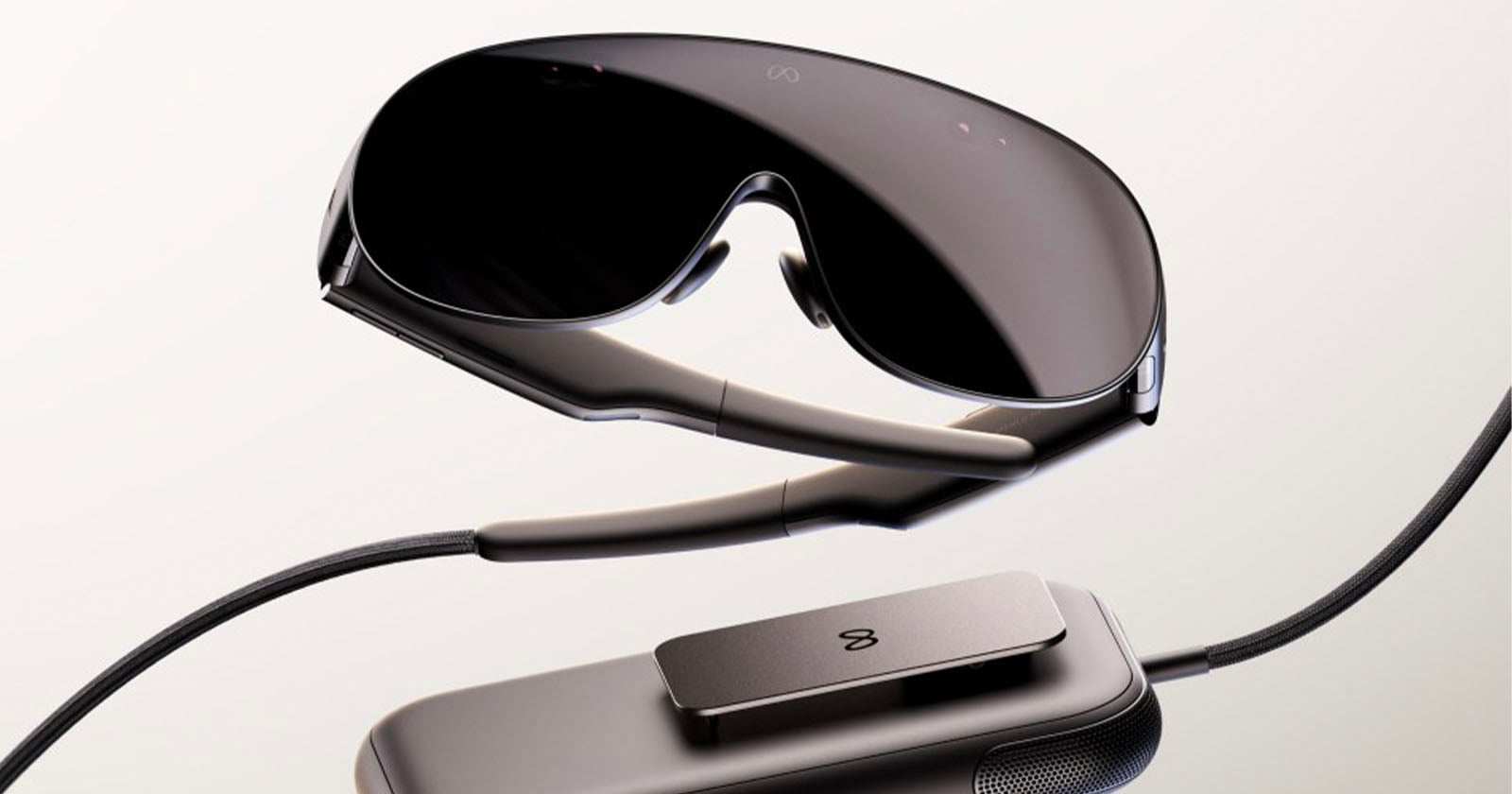
The convergence of immersive technology and cinematic excellence has taken a significant leap forward with Meta's announcement of IMAX-certified VR glasses. This isn't merely a technical upgrade; it’s a statement of intent, signaling a maturing of the VR space beyond gaming and into the realm of premium entertainment. The move echoes the broader trend of blurring lines between physical and digital experiences, a concept we’ve explored in articles like Xiaomi 18 Series: Where Photography and Performance Converge Globally, where advancements in mobile technology are constantly pushing the boundaries of visual fidelity and immersive capabilities. This certification validates the potential of VR to deliver a truly cinematic experience, and positions Meta as a key player in shaping the future of how we consume film and visual media. It's a pivotal moment, moving VR from a niche novelty to a potentially mainstream entertainment platform, one that demands attention from both creators and consumers alike.
The implications of this certification are far-reaching. IMAX has long been synonymous with a superior cinematic viewing experience – a larger-than-life scale, enhanced audio, and meticulous attention to detail. Bringing that pedigree to VR suggests a commitment to quality and a desire to elevate the user experience beyond the current limitations of many VR headsets. Consider the recent advancements in high-speed imaging showcased in Capture the Unseen: High-Speed Imaging Redefines Detail; the ability to capture and render detail with unprecedented clarity is essential for a truly immersive experience, and the IMAX certification implies Meta is prioritizing this aspect. Moreover, this development has the potential to unlock new creative possibilities for filmmakers, allowing them to design experiences specifically tailored for VR, moving beyond simply adapting existing films. The integration of IMAX’s established standards will likely drive a higher level of production quality and artistic ambition within the VR film space.
However, the success of this venture hinges on several factors. The external battery pack, while seemingly practical, introduces a visual element that slightly disrupts the sleek aesthetic Meta is aiming for. More importantly, the adoption rate will depend on the accessibility and affordability of both the hardware and the content. While the promise of an IMAX-quality experience is alluring, it needs to be readily available and reasonably priced to attract a wider audience. The broader landscape of visual culture, and how we engage with imagery, is also evolving; the exploration of personal style and aesthetics, as seen in Sculpting Your Style: Short Hair, Bold Edge, or Effortless Growth, highlights the growing desire for curated and personalized experiences, a demand that VR needs to satisfy to truly resonate.
Ultimately, Meta’s foray into IMAX-certified VR represents a significant step towards realizing the full potential of virtual reality as a premium entertainment medium. The convergence of cinematic standards and immersive technology creates a compelling proposition, one that could redefine how we experience storytelling. The question now is whether this development will spark a wider revolution in VR content creation and consumption, or remain a niche offering for early adopters. The next few years will be crucial in determining whether this certification translates into a truly transformative shift in the landscape of entertainment, and whether the promise of immersive cinema can be fully realized.