Microsoft’s New Surface Devices Arrive With Much Higher Prices
Our take
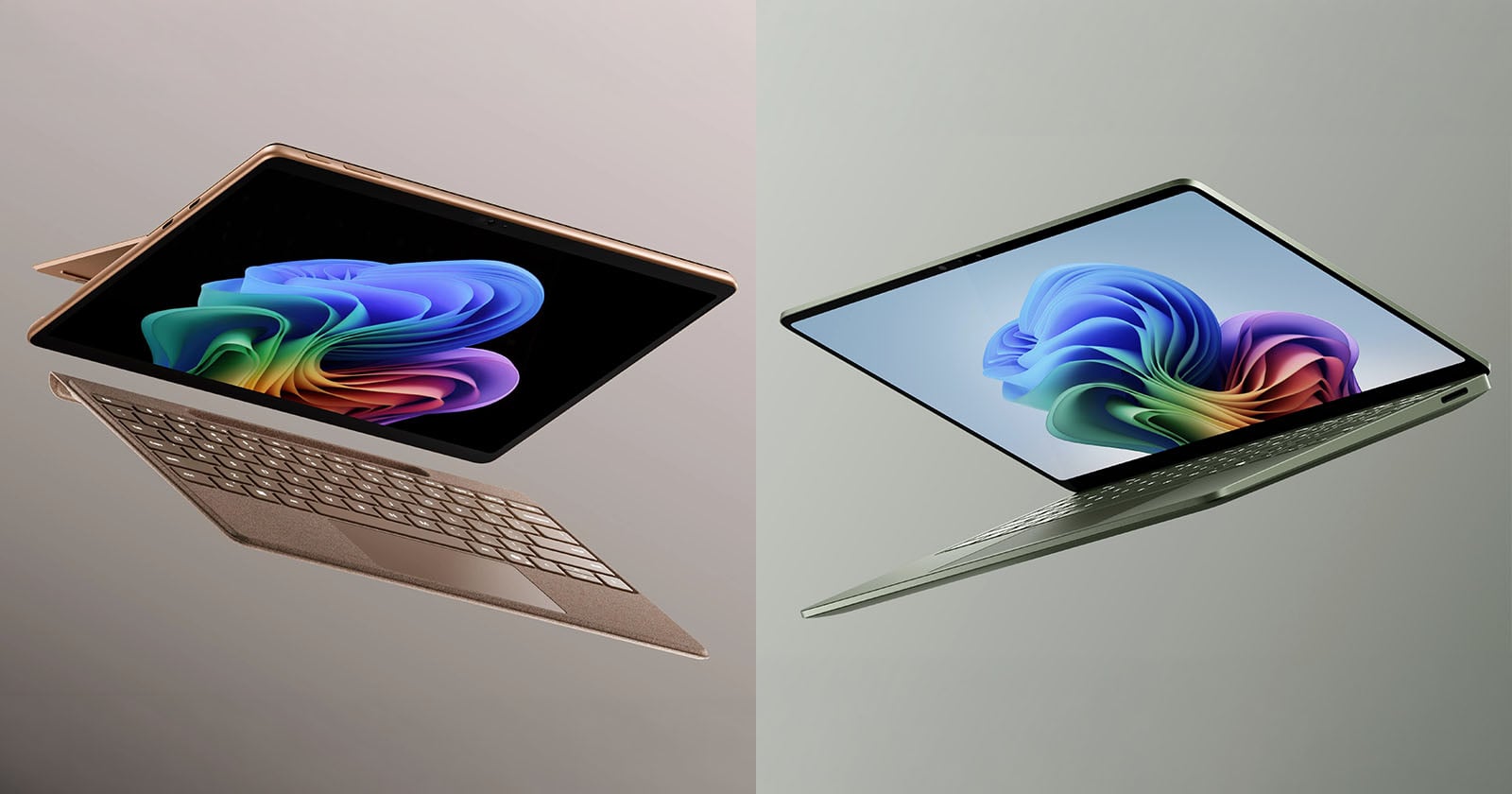
Microsoft’s recent pricing adjustments to its Surface line, coinciding with the debut of the Surface Ultra and Nvidia’s RTX Spark, signal a significant shift in the company’s strategy and, frankly, a potential recalibration of the premium laptop market. The move to Snapdragon processors across the standard Surface and Surface Pro models, while promising advancements in battery life and connectivity, comes packaged with a considerable price increase, a development that demands closer scrutiny. This isn’t simply about higher component costs; it’s about Microsoft’s perception of its brand value and its willingness to pass that perception onto consumers. The recent announcement of Affinity’s pre-installation on Windows Surface computers Affinity Will Now Come Pre-Installed on Windows Surface Computers highlights Microsoft’s efforts to bolster the creative capabilities of its devices, yet the price hikes threaten to make those capabilities less accessible. It’s a delicate balance, and this move feels like a tilt away from accessibility and toward a more exclusive, luxury positioning.
The timing of these changes is noteworthy, particularly alongside the global push for innovative photographic experiences, as documented in a recent piece detailing a photographer’s journey to the remote Himalayas Photographer Travels to ‘Hidden’ Area of the Himalayas for Stunning Mountain Images. While these endeavors often rely on specialized, high-end equipment – mirroring the Surface Ultra’s intended market – the core demand for powerful, portable tools remains across a broader spectrum of creators. The evolution of professional photography equipment, as illustrated by Profoto’s expanded Sony a9 III support What Profoto’s Expanded Sony a9 III Global Shutter Support Means for Photographers, demonstrates a continuous drive for performance and seamless integration. Microsoft's price increases, however, risk alienating a significant portion of that creative community, particularly those who rely on Surface devices for their on-the-go workflows. The promise of Snapdragon’s power efficiency needs to be weighed against the tangible cost of entry.
The decision to prioritize Snapdragon processors, despite their inherent limitations compared to traditional x86 chips in certain demanding creative applications, suggests a long-term bet on Microsoft's ecosystem integration and the potential for future advancements in ARM-based computing. This is a strategic play, aligning with broader industry trends toward mobile-first design and lower power consumption. However, it’s a gamble. The Surface line has always been lauded for its versatility – catering to both casual users and professionals alike. Raising prices so significantly risks narrowing that appeal, pushing more professional users towards competitors like Apple's MacBooks or even high-end Windows laptops from other manufacturers. The brand risks losing its 'aspirational yet grounded' footing, edging closer to a purely luxury designation. The pricing signals a shift from a focus on accessible premium to simply premium, a distinction with potentially significant consequences for brand perception and market share.
Ultimately, the success of this strategy hinges on whether Microsoft can effectively communicate the value proposition of these new Surface devices—beyond just the Snapdragon processor and the sleek design. It will require demonstrating tangible performance benefits in the workflows most critical to creative professionals, justifying the higher price point. The question now isn’t just whether consumers will pay more for a Surface, but whether they’ll perceive the value received as commensurate with the increased cost. Will Microsoft’s gamble on Snapdragon and premium pricing pay off, or will it ultimately narrow the appeal of a product line that once championed both innovation and accessibility?
Earlier this month, Nvidia unveiled its new RTX Spark "superchip," and Microsoft took the opportunity to show off its most powerful Surface laptop ever, the Surface Ultra. Now Microsoft is back with new versions of its existing standard Surface and Surface Pro machines. They're powered by a Snapdragon processor and arrive with significant price bumps.
Read on the original site
Open the publisher's page for the full experience