Nine Million Photos of People’s Faces Discovered in Exposed Database
Our take
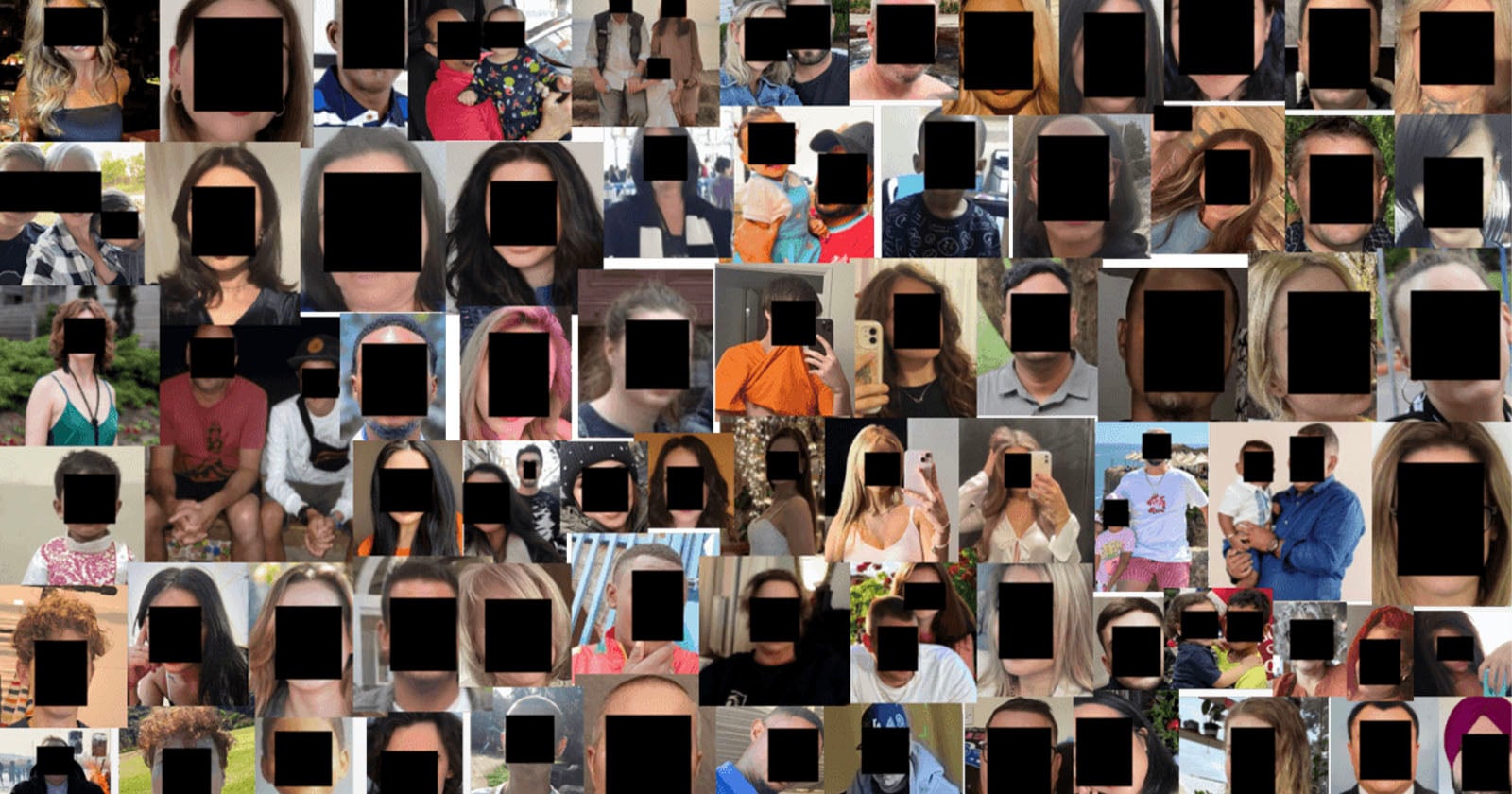
The recent discovery of a massive, unsecured database containing nine million images of people’s faces is deeply unsettling, and demands a serious reckoning within the rapidly evolving landscape of facial recognition technology. This isn't merely a data breach; it's an exposure of the potential for widespread misuse of a technology already fraught with ethical concerns. The very nature of facial recognition – its ability to instantly identify and categorize individuals – makes this leak particularly damaging. It underscores the fragility of digital privacy and highlights the urgent need for stricter regulations surrounding data storage and security practices within companies developing and deploying these systems. We've previously explored the enduring appeal of analog photography and the meticulous craft involved in creating lasting images [5 Photo Books Every Film Photographer Should Own Before They Load Another Roll], a stark contrast to the instantaneous and often unregulated capture of data fueling these AI systems. Similarly, the thoughtful documentation of specific locations and communities, as seen in Martin Parr’s work [Martin Parr Mural Planned at Iconic Location Where He Photographed ‘The Last Resort’], emphasizes the responsibility photographers have when portraying individuals, a responsibility that’s often overlooked in the automated world of facial recognition.
The implications extend far beyond simple identity theft. This database could be exploited for targeted harassment, stalking, or even malicious deepfake creation. While the website itself claims to assist in identification, the lack of proper security protocols demonstrates a reckless disregard for the privacy of the individuals whose images were stored. The fact that this data was accessible on the open web signifies a catastrophic failure in their data management practices. It's a potent reminder of the dangers inherent in collecting vast amounts of personal data, particularly biometric information like facial scans. The ease with which this data could be acquired and utilized raises serious questions about the oversight and accountability of companies operating in this space. The current situation also highlights the limitations of relying solely on self-regulation within the tech industry; clear legal frameworks and robust enforcement mechanisms are essential to protect individuals from the potential harms of unchecked facial recognition technology. Consider the vulnerability exposed by this breach—individuals sharing photos online, often without fully understanding the potential for their images to be scraped and stored, now face a heightened risk of misuse.
This incident arrives at a critical juncture as facial recognition technology becomes increasingly integrated into everyday life. From airport security to social media platforms, our faces are being scanned and analyzed with increasing frequency. While proponents tout the benefits of improved security and convenience, the potential for abuse and bias remains a significant concern. The digital landscape is already saturated with images, and the ability to easily identify individuals within them creates a powerful tool that can be easily exploited. The conversation needs to shift beyond simply discussing the capabilities of this technology and focus on the ethical and legal safeguards necessary to prevent its misuse. The amateur photography community, as demonstrated in discussions around feedback on digital submissions [Advice/Feedback on recent digitals], is already acutely aware of the power of imagery and the responsibility that comes with capturing and sharing it. That same awareness needs to permeate the development and deployment of sophisticated AI-powered facial recognition systems.
Looking ahead, the question isn't whether facial recognition technology will continue to evolve—it almost certainly will—but rather how we, as a society, will ensure its responsible development and deployment. This breach should serve as a wake-up call, prompting stricter regulations, enhanced security protocols, and a greater emphasis on transparency and accountability within the industry. Will governments and tech companies proactively address these concerns, or will we continue to react to breaches and abuses after the damage has been done? The future of privacy and personal autonomy may well depend on the answers we find.
A website that helps to identify people using just a photo was found to have a massive database of images unsecured on the web.
Read on the original site
Open the publisher's page for the full experience