privacy
privacy on Lee LHGFX Photography: a running collection of 28 stories we have gathered and hand-picked because they are worth your time. Every post here touches on privacy in some way — the news, the analysis, the deep dives, and the occasional surprise find. Lee LHGFX Photography is a dynamic portfolio and lifestyle hub built around the artistic work of @lee_lhgfx — a highly engaged Instagram creator and photographer known for… New stories are added to this page as we find them, so check back if you want to keep up with what is happening around privacy, or subscribe to the RSS feed to get them as soon as they are published. Browse the collection below, or head back to the homepage to see everything Lee LHGFX Photography is covering right now.
Your Apple Watch Is Always Listening, Will Anyone Ever Be Honest Again?
The unveiling of the Apple Watch Series 12 has sparked a critical conversation: are we prepared for constant, ambient listening? The new "Siri Recap" feature, utilizing this technology to passively "take notes," raises profound questions about privacy and authenticity in a hyper-connected world. Will anyone ever truly be honest again, knowing their devices are always attentive? Explore this evolving landscape and related technology trends—including Apple's broader product debut—with our article, "Who’s Ready for the Dual Screen Era?".

US Police Warn Meta Smart Glasses Could Be a Security Threat
Law enforcement agencies nationwide are raising concerns regarding Meta's new smart glasses, citing potential security vulnerabilities. Officials warn the devices could be exploited to covertly record within sensitive locations like correctional facilities and police stations, raising fears of compromised security and even aiding acts of terrorism. This escalating concern highlights the complex intersection of technological advancement and public safety. For further insight into regulatory challenges surrounding emerging technologies, explore our article on the significant opposition to the FCC’s proposed drone ban.
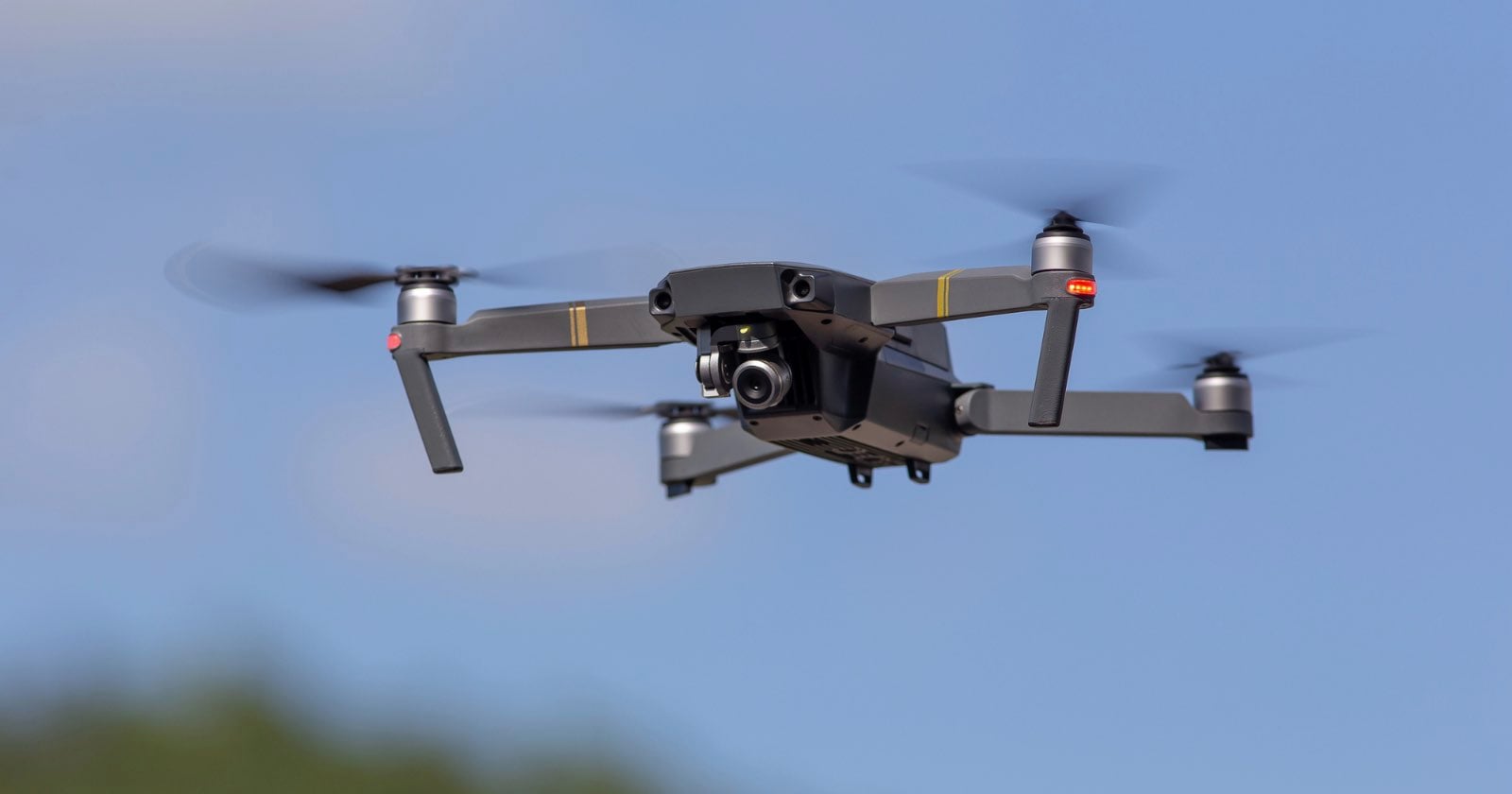
Lawsuit Challenges Authorities Which Used Drones to Photograph Homes Without Warrants
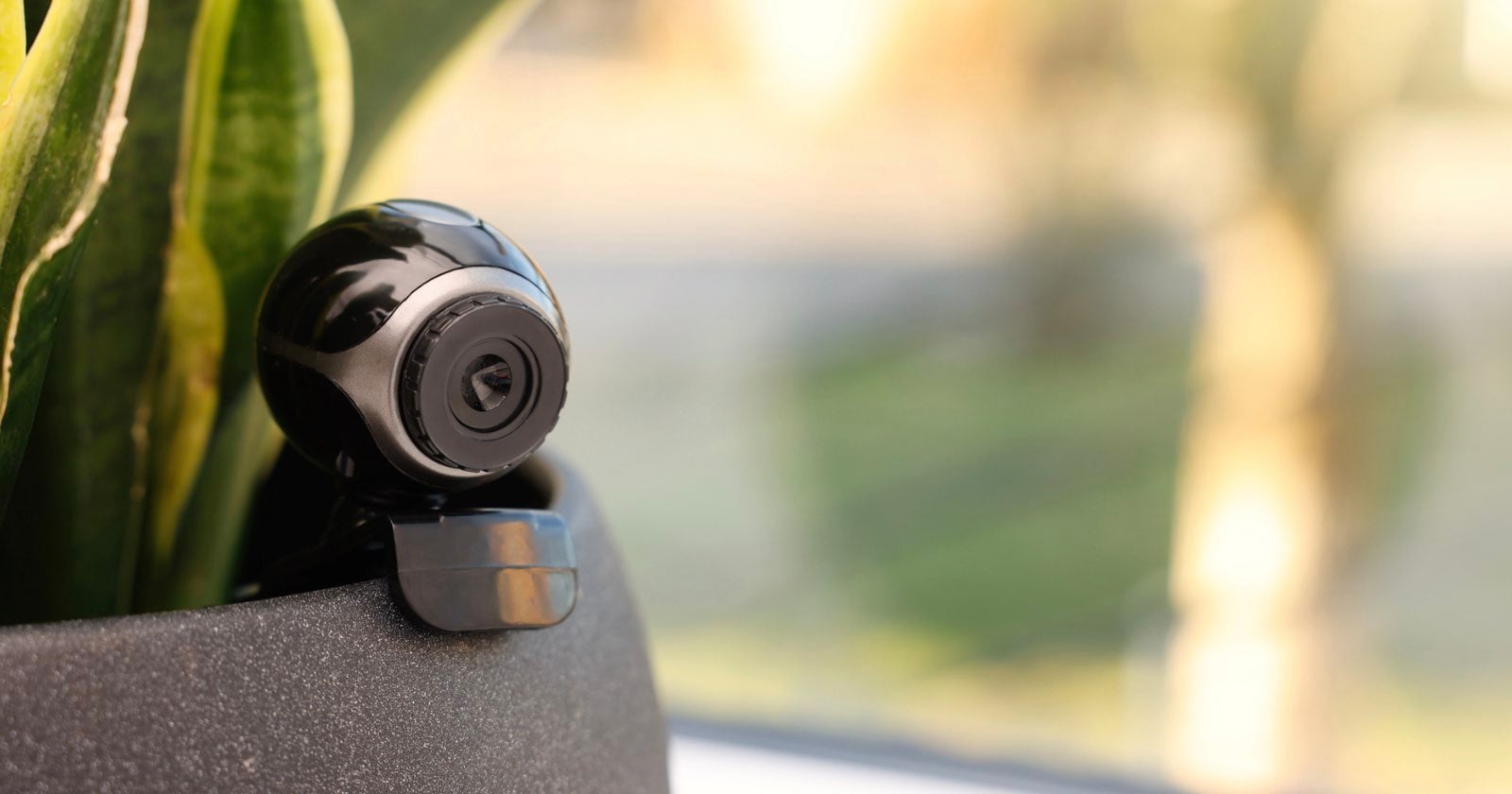
This $7 Smartphone Accessory Can Spot Hidden Cameras in Seconds
Concerned about privacy? Researchers have engineered a remarkably accessible solution: a $7 smartphone accessory capable of detecting hidden cameras in under five seconds with an impressive 94% accuracy. This innovative tool offers a readily available layer of security in an increasingly interconnected world. For those interested in exploring cutting-edge camera technology further, consider our review of the DJI Osmo 360 II, a new flagship 360-degree camera boasting 8K capabilities. [Read More].
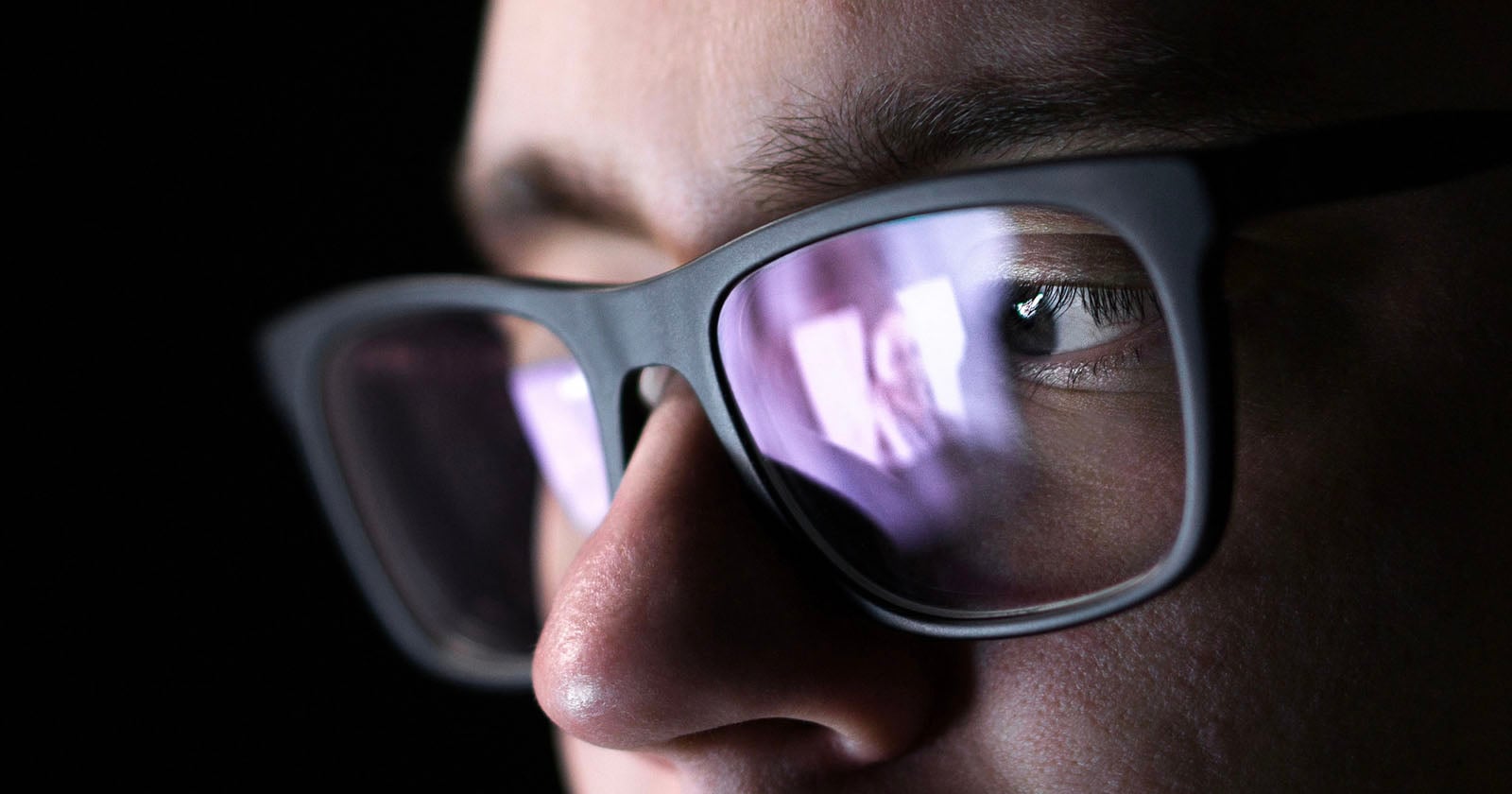
‘Pervert Glasses’ That Record People Without Consent Face Possible Ban in Norway
Norway is contemplating a ban on “Pervert Glasses,” smart eyewear equipped with hidden recording capabilities, raising significant privacy concerns. These devices, designed to surreptitiously capture individuals in public, present a clear challenge to personal autonomy. The potential prohibition reflects a growing global awareness of covert surveillance technology. For those concerned about detecting such devices, our recent article on a $7 smartphone accessory capable of spotting hidden cameras offers a practical solution. This development underscores the evolving intersection of technology and privacy.

Real Estate Photographer’s Drone Blasted Out of the Sky
A concerning incident has shaken the real estate photography community: a photographer in Alabama recently had his drone deliberately shot out of the sky. Now collaborating with local authorities, he seeks to identify the individual responsible for this act. This situation highlights the growing complexities surrounding drone usage and airspace regulations. For those interested in the technological aspects of photography, you might find our article, "What’s Missing From the Samsung Galaxy S27 Ultra’s 200MP Camera," relevant. [Read More].
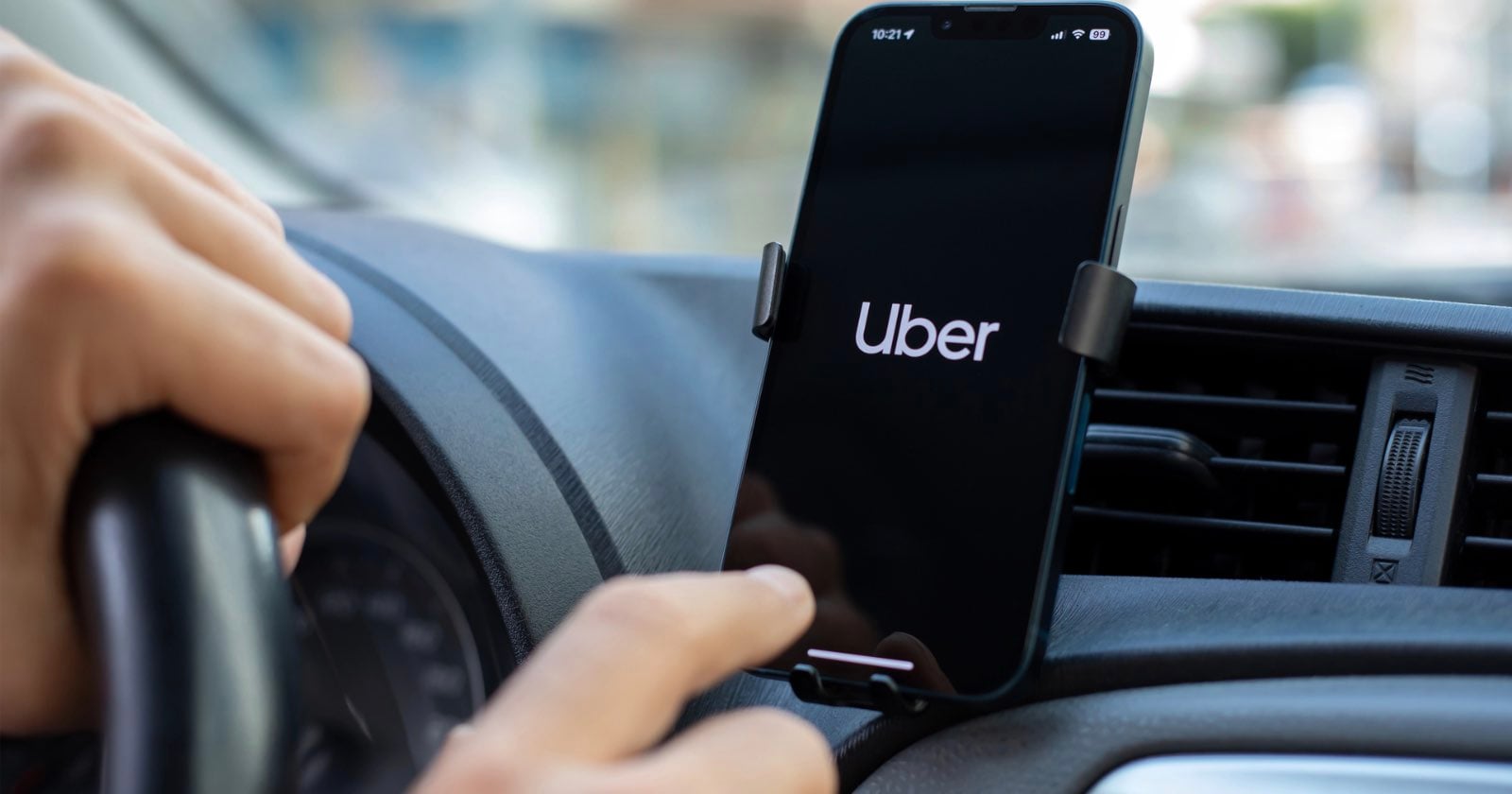
Uber Will Let Parents Watch Teens Through Drivers’ Selfie Cameras
Uber is enhancing ride safety with a new feature allowing parents to monitor their teenage children's journeys via the driver’s in-car selfie camera. This real-time video feed provides an added layer of reassurance and oversight during Uber rides. The rollout aims to address safety concerns and offer peace of mind. This development follows ongoing scrutiny of social media platforms and their impact on young users; for instance, Meta recently settled a significant lawsuit concerning child safety. [Read More].
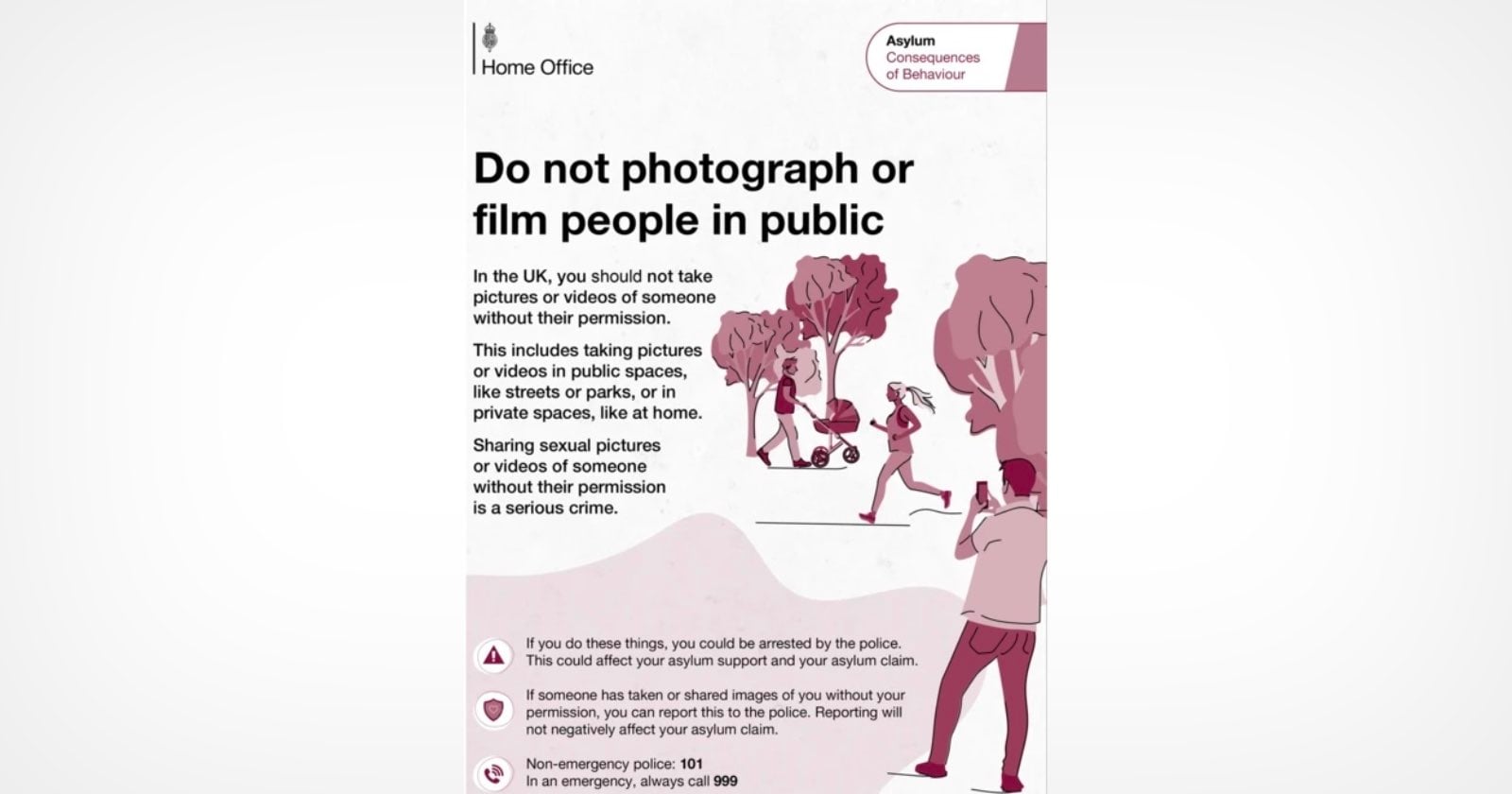
UK Publishes ‘Misleading’ Guidance Suggesting Photographers Could Be Arrested for Taking Pictures in Public
The U.K. government recently released guidance sparking concern among photographers: a booklet suggesting individuals "could be arrested" for photographing people in public has been labeled "misleading." This alarming implication raises serious questions about freedom of expression and artistic practice. For deeper insight into privacy concerns within creative spaces, explore our article on New York nightclubs and smart glasses technology. [Read More].

New York Nightclub Threatens to Permanently Ban Anyone Caught With Smart Glasses
New York's nightlife scene is drawing a firm line against augmented reality. One of the city's most exclusive nightclubs has announced a policy of permanent bans for patrons attempting entry while wearing smart glasses, specifically citing Meta's devices. This move highlights growing concerns around privacy and unauthorized recording within intimate spaces. For a contrasting perspective on innovative camera technology, explore our recent piece on DJI’s impressive Osmo Action 6 rocket launch footage.

Meta Settles Child Harm Lawsuit With 29 States for Nearly $17 Billion
Meta has reached a landmark settlement of nearly $17 billion to resolve a lawsuit filed by 29 states. The suit alleged that Facebook and Instagram were intentionally designed to cultivate addiction among young users, resulting in significant harm. This substantial agreement underscores growing concerns regarding social media's impact on children. For deeper insights into platform safety measures, explore our related article, "Instagram CEO Denies Hiding How Few Teens Used Its ‘Take a Break’ Tool." [Read More].
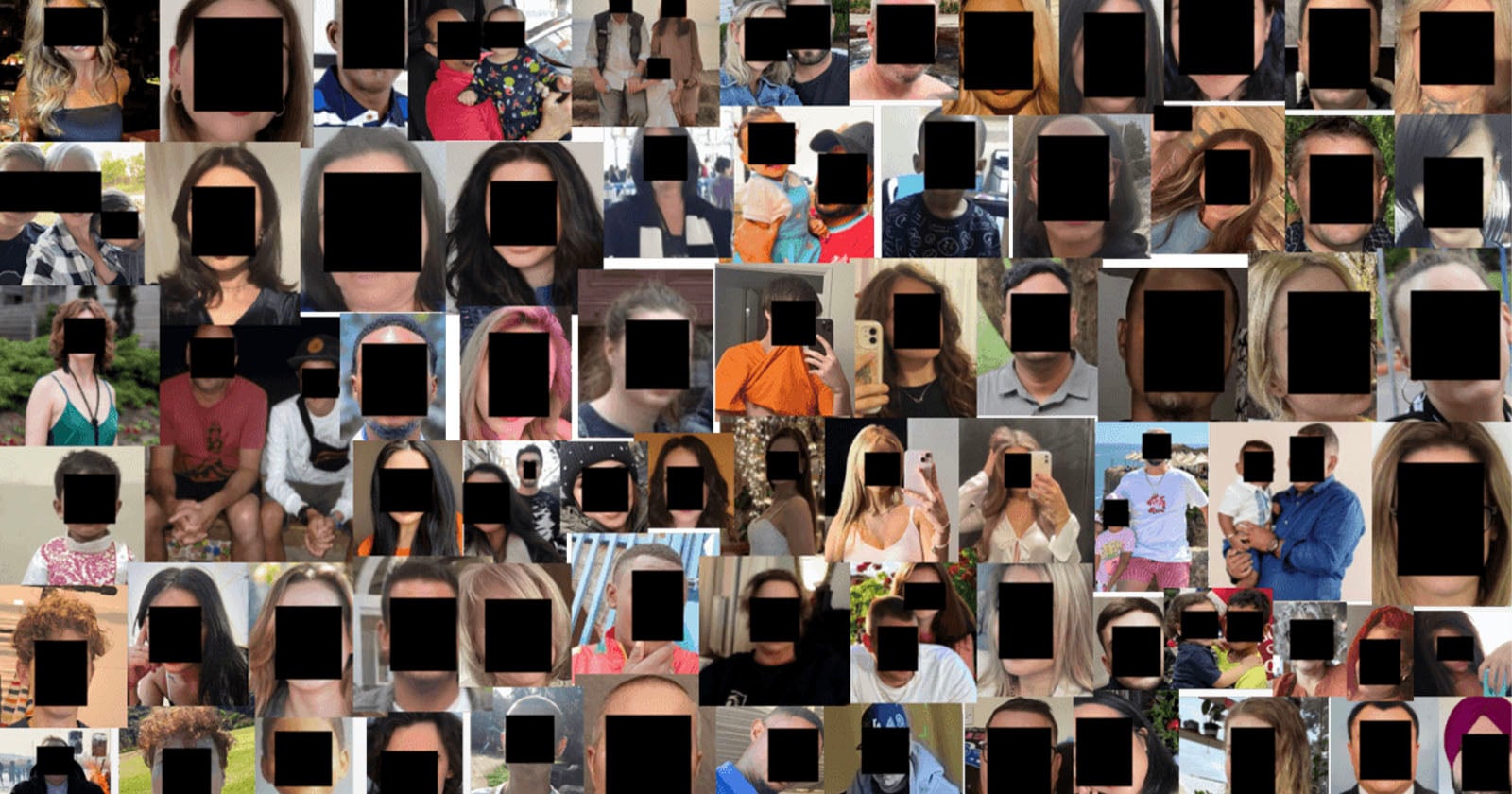
Nine Million Photos of People’s Faces Discovered in Exposed Database
A significant privacy breach has been revealed: a website offering facial recognition services hosted a staggering nine million photos of people's faces in an unsecured database. This discovery raises serious concerns about data security and the potential for misuse of facial recognition technology. Experts are urging users to assess their online privacy and understand the risks associated with these tools. For those interested in the broader implications of photography and image capture, consider our piece on "5 Photo Books Every Film Photographer Should Own.

Meta Can’t Stop the Avalanche of Content Filmed on Pervert Glasses
Despite assurances from Instagram head Adam Mosseri, the platform continues to grapple with a surge of content filmed on Meta smart glasses and used to harass women in public. The intended ban, implemented last month, appears ineffective, highlighting a persistent challenge in content moderation. This ongoing issue underscores the complexities of regulating emerging technologies and their potential for misuse. For a deeper dive into innovative technology, explore our hands-on review of the Honor Robot Phone.

France’s Top Court Strikes Down Social Media Ban for Kids
France's ambition to be the first EU member to restrict social media access for minors has been temporarily halted. The nation’s Constitutional Council recently struck down a proposed law enacting this ban, requiring revisions before implementation. This decision follows increasing scrutiny of tech companies' impact on child safety, exemplified by recent cases like Meta’s substantial payout in New Mexico. Readers interested in further exploration of these concerns may find our article on the Cara app controversy particularly insightful.

UK Venues Ban Meta Smart Glasses En Masse
Across the United Kingdom, a growing number of venues are proactively banning Meta’s smart glasses, responding to rising concerns about covert recording. Establishments cite anxieties regarding potential misuse of the devices to secretly capture customers and staff. This trend reflects a broader scrutiny of surveillance technology and data privacy. For further insight into related concerns about data transmission, explore our article, "Cameras on Chinese-Made Drones Used by UK Royal Navy Secretly Sent Data to China."
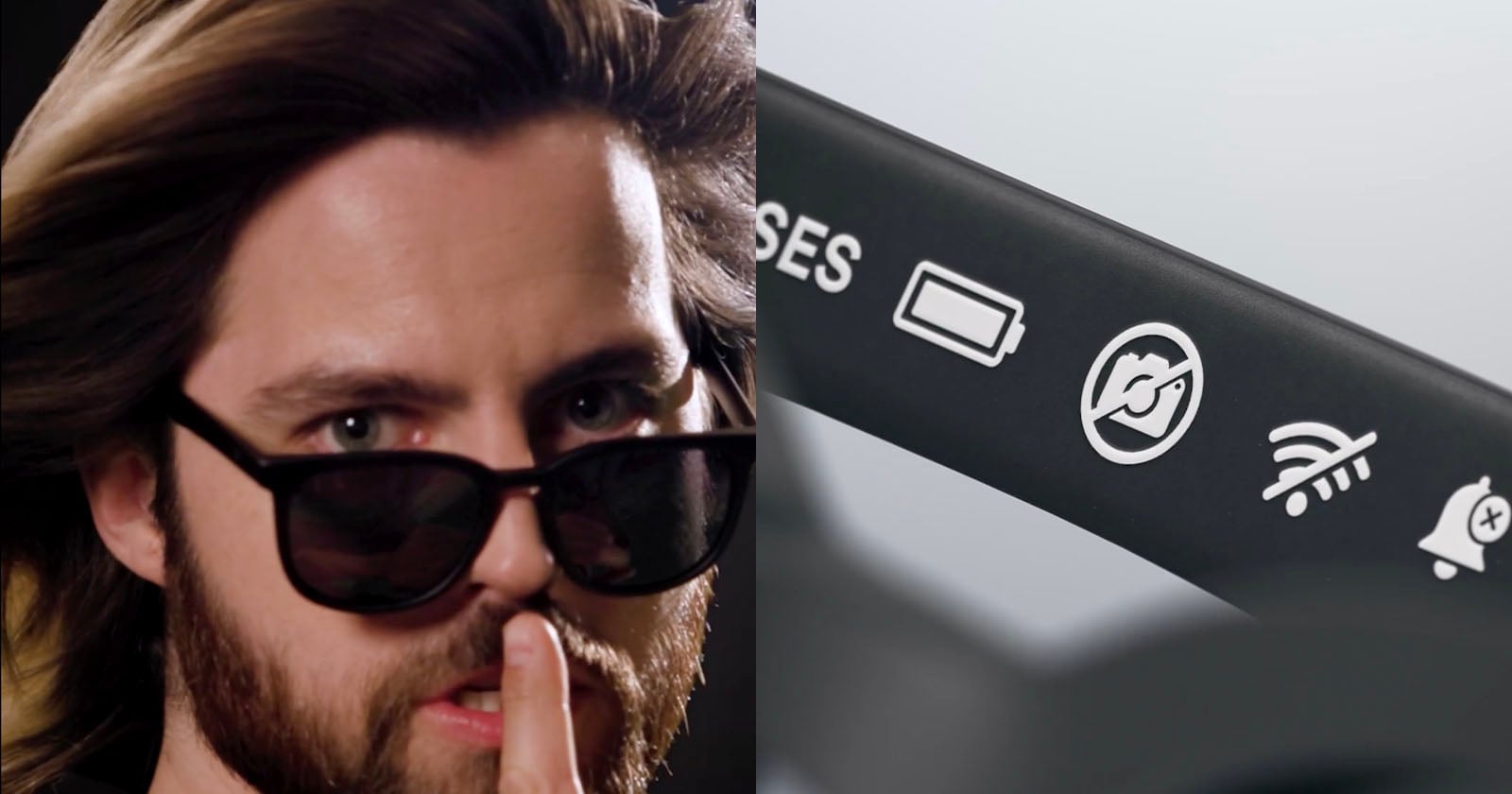
DuckDuckGo’s Smart Glasses Have No Camera, No AI, and No Electronics
DuckDuckGo, renowned for its commitment to privacy, has taken an unexpected turn, entering the smart glasses market with a decidedly *un-smart* product. These sunglasses offer a refreshing contrast to the increasingly complex landscape of wearable technology – boasting no camera, no AI, and no electronics whatsoever. It’s a deliberate move prioritizing user privacy above all else. For those seeking exceptional battery life in their photography gear, consider exploring our review of "3 Canon Cameras With Exceptional Battery Life."

Meta Smart Glasses Face Calls for Bans Across Europe Over Privacy Concerns
Concerns over user privacy are escalating across Europe, with France, Germany, and the Netherlands actively considering bans on Meta’s new smart glasses. Regulators are scrutinizing the devices' compliance with data protection laws, raising questions about potential surveillance capabilities. This development highlights the growing tension between technological innovation and safeguarding individual rights, a theme echoed in recent legal challenges, such as the significant lawsuit Apple is facing regarding facial recognition technology. [Read More]
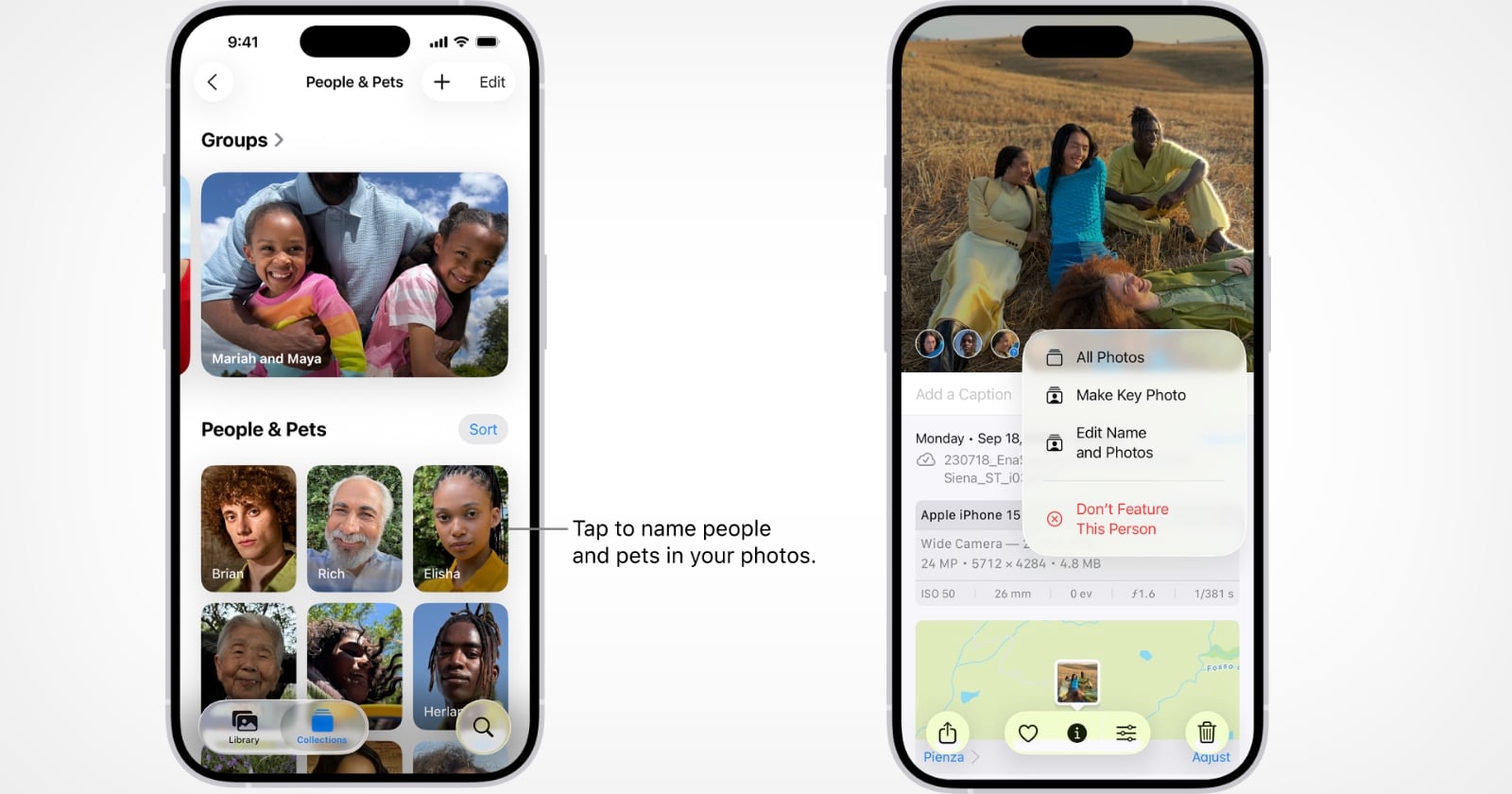
Apple Faces $32.5 Billion Lawsuit Over Facial Recognition in iPhone Photos App
Apple is confronting a significant legal challenge, facing a lawsuit demanding up to $32.5 billion stemming from allegations that its iPhone Photos app improperly gathered users’ biometric data. This substantial claim centers on the app's facial recognition technology and its handling of sensitive personal information. The case underscores growing concerns surrounding data privacy and the responsible use of AI. For further insights into the evolving landscape of AI and its implications, explore our article, "Elon Musk’s xAI Sues Minnesota." [Read More].

Elon Musk’s xAI Sues Minnesota Days Before State Ban on AI Nudification Apps
xAI, Elon Musk’s artificial intelligence venture, has initiated legal action against Minnesota in a timely challenge to the state's impending ban on AI "nudification" applications. This lawsuit arrives just days before the landmark legislation takes effect, signaling a significant clash over the regulation of AI-generated content. The move underscores xAI's commitment to defending its technologies, particularly Grok. For further insights into the broader implications of AI content regulation, explore our coverage of the EU’s forthcoming labeling requirements for realistic AI images.
American Man Charged After Allegedly Wiping Photos From His Phone During Airport Search
A landmark case is underway as the U.S. government prosecutes an American citizen for allegedly wiping his phone’s contents during an airport search—a first of its kind legal challenge. The charges stem from the deletion of photos, raising critical questions about digital privacy and law enforcement access. This unprecedented prosecution highlights evolving tensions at the intersection of technology and legal procedure. For further insights into related technological concerns, explore our analysis of Apple’s smart glasses strategy.
Apple Frets Over Smart Glasses’ Bad Reputation as 2027 Launch Looms
Apple's anticipated foray into smart glasses, slated for a 2027 launch, presents a unique challenge. The company, renowned for its commitment to user privacy, now navigates the potential reputational pitfalls inherent in this emerging technology. This move demands a delicate balance between innovation and safeguarding user data. As concerns surrounding device privacy escalate, Apple must carefully curate its approach. For further insights into evolving technology and its impact, explore our article, "Your Camera is on Auto Mode. You Just Don’t Realize It."
France Bans Social Media for Kids Under 15, a First for the EU
France has established a groundbreaking precedent within the European Union, enacting a nationwide ban on social media usage for children under 15. This pioneering legislation aims to safeguard young people from potential harms associated with online platforms. The move underscores a growing global concern regarding digital wellbeing and parental controls. For further insight into the intersection of technology and societal impact, explore our analysis of activist critiques surrounding Meta's new AI smart glasses.
Instagram Is Banning Creepy Hidden Camera Videos Filmed With Meta Smart Glasses
Instagram is taking decisive action to address privacy concerns surrounding Meta’s smart glasses. The platform is reportedly banning videos captured with these devices that depict harassment or the unauthorized recording of individuals in public spaces. This move underscores a growing awareness of potential misuse and aims to safeguard user well-being. Such actions highlight the evolving regulatory landscape of social media, as seen with France's recent ban on social media for children under 15. [Read More].

Woman Wins Lawsuit After Company Forced Her to Use a Webcam During Remote Work
A British travel consultant has achieved a significant legal victory, successfully suing her former employer for discrimination after being compelled to use a webcam during remote work meetings. The ruling highlights growing concerns regarding employee privacy and workplace monitoring. This case underscores the importance of respecting individual boundaries, even in a remote work environment. For further insight into technology and privacy, explore our article, "These ‘Anti-Facial Recognition’ Glasses Block Surveillance Cameras."

These ‘Anti-Facial Recognition’ Glasses Block Surveillance Cameras
Concerns surrounding ubiquitous surveillance are fueling a rise in "anti-facial recognition" eyewear. An increasing number of brands are now crafting glasses specifically designed to disrupt facial recognition technology and impede surveillance cameras, offering a discreet layer of privacy. This innovative eyewear represents a growing movement towards reclaiming personal space in an increasingly monitored world. For further insight into the broader anxieties surrounding wearable technology, explore our article on the viral “iPhone App Warns Users When Smart Glasses Are Nearby.”