UK Publishes ‘Misleading’ Guidance Suggesting Photographers Could Be Arrested for Taking Pictures in Public
Our take
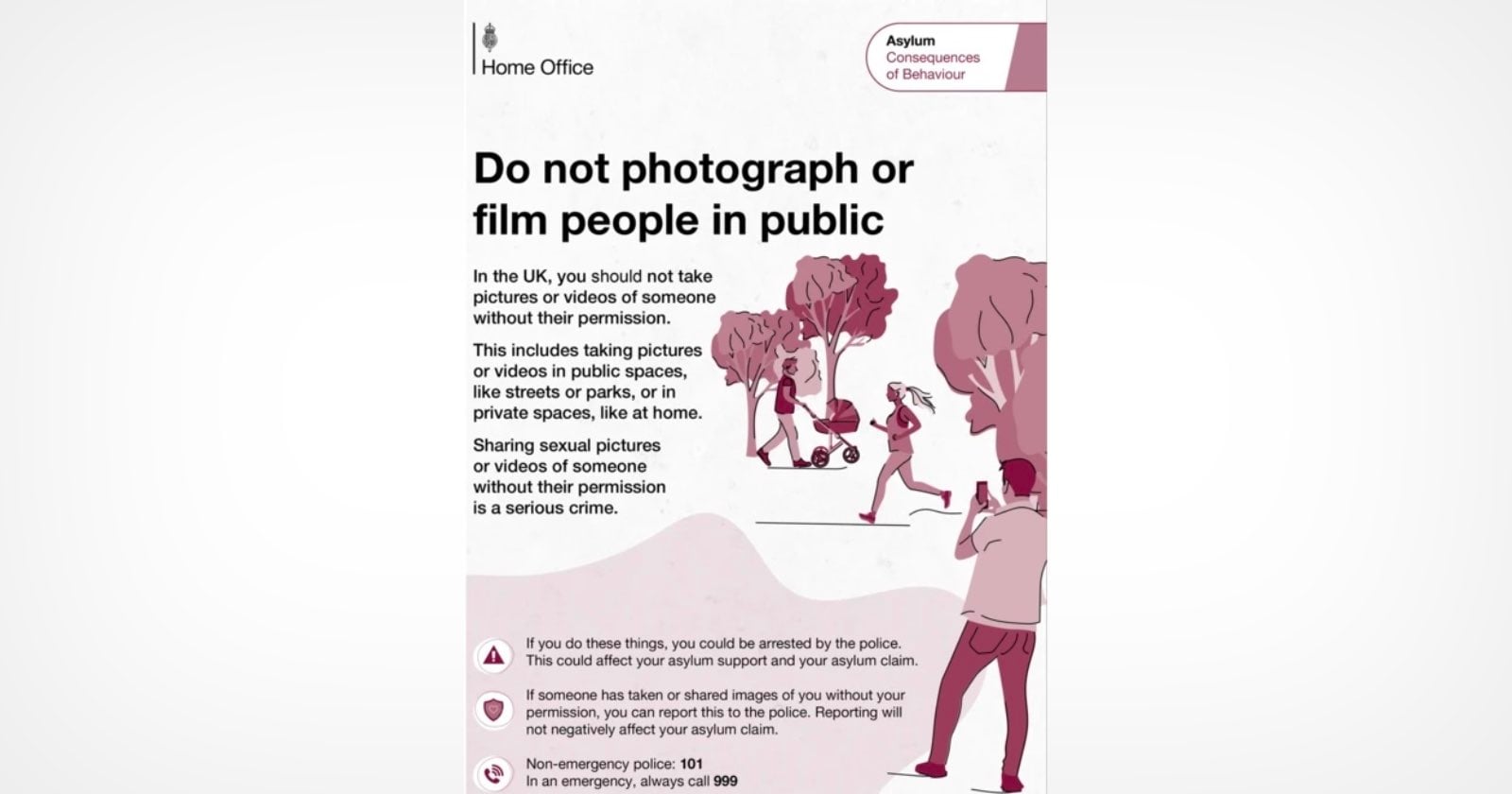
The recent publication and subsequent retraction of a U.K. government booklet advising citizens they “could be arrested” for photographing people in public is deeply concerning, and a stark reminder of the ongoing tension between public space, individual rights, and perceived security concerns. This clumsy attempt at guidance, swiftly labelled "misleading" by photography organizations and legal experts, highlights a worrying trend of overreach and a fundamental misunderstanding of existing laws regarding photography in public. It’s a situation that resonates particularly strongly with our audience, many of whom are visual artists and creatives who rely on capturing the vibrancy of everyday life as a core part of their practice. The incident also echoes similar anxieties surrounding technology and observation, as seen in recent debates about the use of smart glasses in public spaces, such as the recent controversy at a New York nightclub [New York Nightclub Threatens to Permanently Ban Anyone Caught With Smart Glasses]. This isn’t solely a legal issue; it’s a cultural one, impacting the freedom of expression and the ability to document our surroundings.
The booklet’s suggestion of potential arrest for simply taking photographs in public is not only inaccurate but also creates a chilling effect, potentially discouraging photographers and hindering artistic exploration. Current U.K. law, and the laws in most democratic nations, generally permit photography in public spaces, provided it isn't intrusive, harassing, or violates privacy laws. The ambiguity of the booklet, and the fear it could engender, is a serious problem. It’s particularly relevant considering the growing interest in lenses like the 7Artisans’ Full-Frame 10mm f/2.5 AF Fisheye [7Artisans’ Full-Frame 10mm f/2.5 AF Fisheye Breaks New Ground], which encourages expansive and often candid perspectives. The government’s apparent lack of clarity on this matter undermines the creative potential and legal protections afforded to photographers. It’s a demonstration of a disconnect between policy makers and the realities of artistic practice and the rights of citizens to observe and document their world.
Beyond the immediate retraction, this episode raises broader questions about the government’s approach to public communication and its understanding of the legal landscape. The dissemination of inaccurate information, particularly on matters of law and personal freedom, erodes public trust and creates unnecessary anxiety. It’s crucial that government agencies engage with experts and stakeholders, including legal professionals and artistic communities, before publishing guidance that could have significant repercussions. The incident underscores the need for clear, accessible, and accurate information regarding photography rights, particularly as technology continues to evolve and new forms of image capture emerge. For example, bird photographers, who often rely on capturing candid moments in natural settings [6 Things Every Bird Photographer Should Know This Fall], could face similar unwarranted scrutiny and restrictions if this type of misguided guidance becomes more commonplace.
Ultimately, the U.K. government’s misstep serves as a cautionary tale. It highlights the importance of rigorous fact-checking and consultation when communicating legal guidance, particularly in an age where information spreads rapidly and can easily be misinterpreted. The incident is likely to fuel ongoing debates about privacy, surveillance, and the right to artistic expression in public spaces. The question now is whether this experience will lead to a more considered and nuanced approach to public communication, or if we will continue to see instances of overreach and the erosion of fundamental freedoms in the name of perceived security. What safeguards will be put in place to ensure such errors are not repeated, and how can we, as a community, proactively advocate for clear and accurate legal guidance that supports both public safety and artistic expression?
The U.K. government has published a "misleading" booklet that suggested people "could be arrested" if they photograph people in public.
Read on the original site
Open the publisher's page for the full experience