regulation
regulation on Lee LHGFX Photography: a running collection of 17 stories we have gathered and hand-picked because they are worth your time. Every post here touches on regulation in some way — the news, the analysis, the deep dives, and the occasional surprise find. Lee LHGFX Photography is a dynamic portfolio and lifestyle hub built around the artistic work of @lee_lhgfx — a highly engaged Instagram creator and photographer known for… New stories are added to this page as we find them, so check back if you want to keep up with what is happening around regulation, or subscribe to the RSS feed to get them as soon as they are published. Browse the collection below, or head back to the homepage to see everything Lee LHGFX Photography is covering right now.

Australia Plans New Law to Let Users Switch Off Social Media Algorithms
Australia is poised to pioneer a groundbreaking approach to social media control. The government intends to introduce legislation granting users the unprecedented ability to opt out of algorithmic content recommendations—a potential world-first. This move aims to empower individuals with greater agency over their online experiences and address concerns about algorithmic manipulation. For further insight into evolving digital regulations, explore our piece on the FCC’s recent drone ban and the overwhelming public opposition it faces.
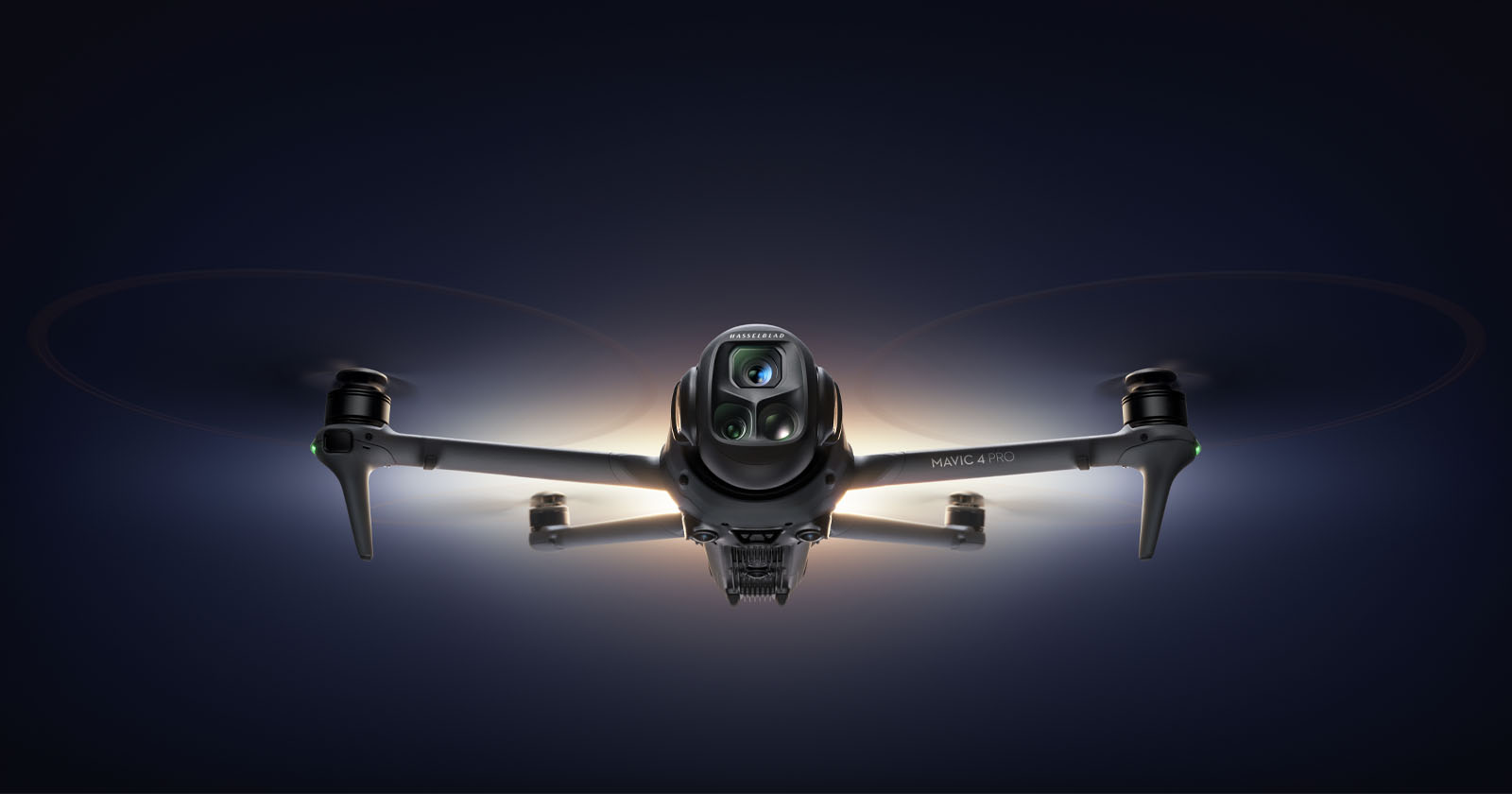
There Are 3,824 Comments on the FCC’s Latest Drone Ban; Nearly 99% of Them Oppose It
The Federal Communications Commission’s (FCC) proposed ban on imported drones with perceived "military-grade" technology has met overwhelming public resistance. A recent comment period yielded 3,824 submissions, with an astonishing 98.6% opposing the rule. This near-unanimous rejection underscores significant concerns regarding the scope and potential impact of the legislation. Readers interested in related legal challenges involving drone technology may find our article, "Lawsuit Challenges Authorities Which Used Drones to Photograph Homes Without Warrants," particularly insightful.
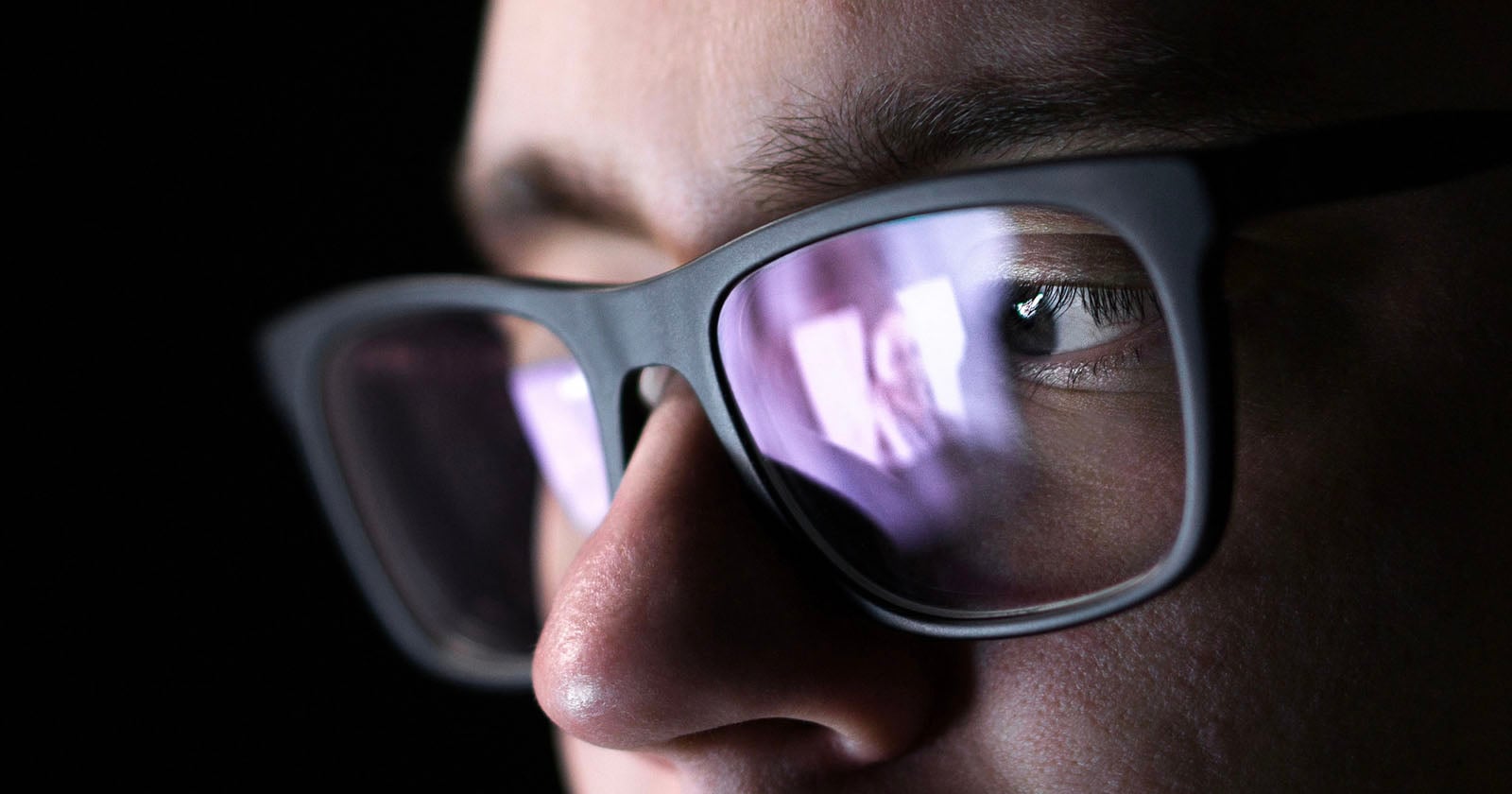
‘Pervert Glasses’ That Record People Without Consent Face Possible Ban in Norway
Norway is contemplating a ban on “Pervert Glasses,” smart eyewear equipped with hidden recording capabilities, raising significant privacy concerns. These devices, designed to surreptitiously capture individuals in public, present a clear challenge to personal autonomy. The potential prohibition reflects a growing global awareness of covert surveillance technology. For those concerned about detecting such devices, our recent article on a $7 smartphone accessory capable of spotting hidden cameras offers a practical solution. This development underscores the evolving intersection of technology and privacy.

Instagram is Waking Up to the Fact That People Don’t Like Being Tricked by AI Creators
Instagram is responding to growing user concerns regarding deceptive AI-generated content creators. The platform is actively addressing the proliferation of profiles that mimic genuine individuals, a trend that has significantly increased in recent years. This shift reflects a broader demand for authenticity and transparency within the social media landscape. For those interested in innovative creative tools, consider our recent article on Godox’s customizable pixel art light, demonstrating the evolving intersection of technology and artistry.
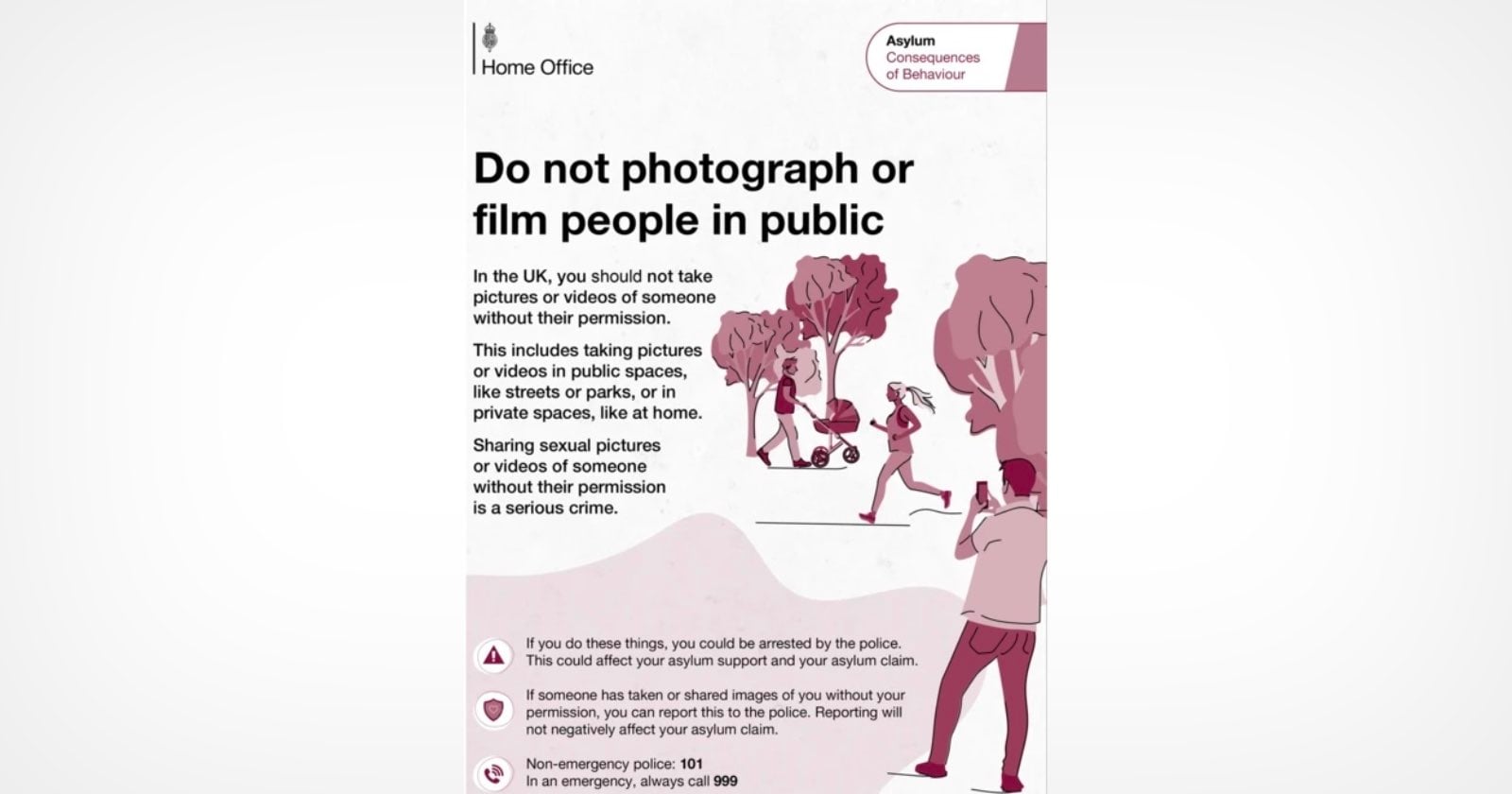
UK Publishes ‘Misleading’ Guidance Suggesting Photographers Could Be Arrested for Taking Pictures in Public
The U.K. government recently released guidance sparking concern among photographers: a booklet suggesting individuals "could be arrested" for photographing people in public has been labeled "misleading." This alarming implication raises serious questions about freedom of expression and artistic practice. For deeper insight into privacy concerns within creative spaces, explore our article on New York nightclubs and smart glasses technology. [Read More].
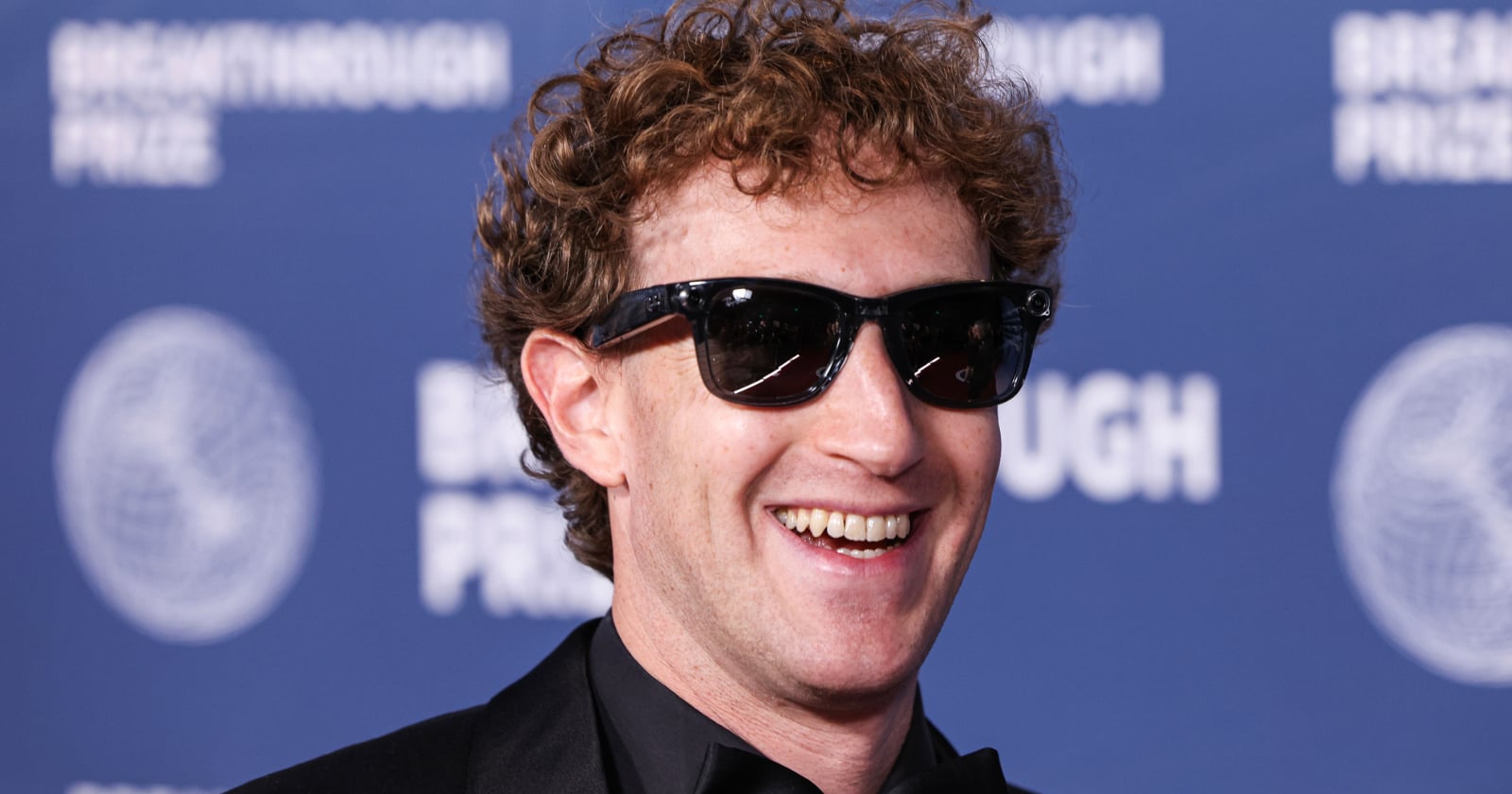
Meta Settles Child Harm Lawsuit With 29 States for Nearly $17 Billion
Meta has reached a landmark settlement of nearly $17 billion to resolve a lawsuit filed by 29 states. The suit alleged that Facebook and Instagram were intentionally designed to cultivate addiction among young users, resulting in significant harm. This substantial agreement underscores growing concerns regarding social media's impact on children. For deeper insights into platform safety measures, explore our related article, "Instagram CEO Denies Hiding How Few Teens Used Its ‘Take a Break’ Tool." [Read More].

Instagram CEO Denies Hiding How Few Teens Used Its ‘Take a Break’ Tool
In a pivotal child-safety trial impacting Meta, Instagram CEO Adam Mosseri has refuted claims of concealing usage data for the "Take a Break" teen safety feature. The trial, with potentially significant consequences, centers on allegations that Instagram downplayed the tool’s limited adoption among teenagers. Mosseri's denial underscores the high stakes surrounding social media's responsibility for user wellbeing. For a closer look at Instagram's evolving feature set, explore our article on the newly launched "First Draft" video editing tool.

It Looks Like HoverAir’s Flying Gimbal Camera Already Got Banned in the U.S.
The innovative HoverAir Versa, heralded as the world's first "flying pocket camera," has seemingly already been pulled from U.S. availability. Announced just this July, the device appears to have fallen afoul of recent drone regulations. This swift action highlights the complexities of navigating evolving airspace laws. For a broader perspective on current restrictions and market dynamics, explore our article, "You Can Definitely Buy a ‘Banned’ DJI Osmo Pocket 4 Camera In the US," and stay informed about the evolving landscape of aerial photography.
Meta Can’t Stop the Avalanche of Content Filmed on Pervert Glasses
Despite assurances from Instagram head Adam Mosseri, the platform continues to grapple with a surge of content filmed on Meta smart glasses and used to harass women in public. The intended ban, implemented last month, appears ineffective, highlighting a persistent challenge in content moderation. This ongoing issue underscores the complexities of regulating emerging technologies and their potential for misuse. For a deeper dive into innovative technology, explore our hands-on review of the Honor Robot Phone.

France’s Top Court Strikes Down Social Media Ban for Kids
France's ambition to be the first EU member to restrict social media access for minors has been temporarily halted. The nation’s Constitutional Council recently struck down a proposed law enacting this ban, requiring revisions before implementation. This decision follows increasing scrutiny of tech companies' impact on child safety, exemplified by recent cases like Meta’s substantial payout in New Mexico. Readers interested in further exploration of these concerns may find our article on the Cara app controversy particularly insightful.
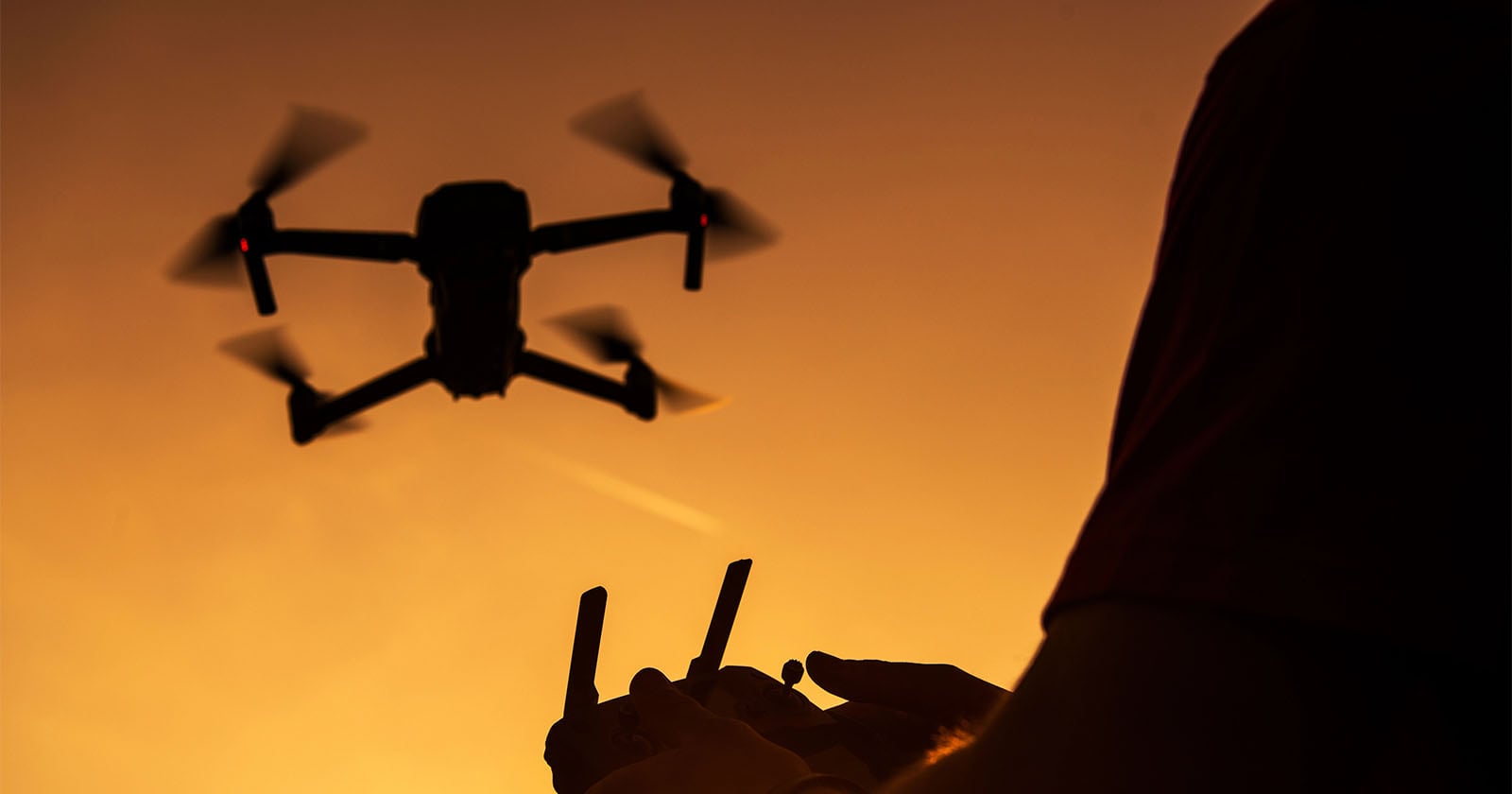
Trump Places 100% Tariffs on Heavy Drones, 25% on Smaller Ones
The Trump administration has enacted significant new tariffs impacting the drone market. Imports of drones exceeding 25 kilograms (55 pounds) now face a 100% ad valorem tariff, while smaller consumer drones weighing under 25 kilograms are subject to a 25% tariff. This sweeping action dramatically alters the landscape for drone manufacturers and consumers. For further insights into related technological advancements, explore our review of the Insta360 X6 and its capabilities. [Read More].
Meta Ordered to Pay $567 Million in New Mexico Child Safety Case
A New Mexico court has levied a landmark $567 million penalty against Meta, the parent company of Instagram and Facebook, stemming from harms to young users linked to its platforms. This represents the most substantial fine ever imposed on Meta regarding child safety. The ruling underscores growing concerns about the impact of social media on vulnerable populations. For further insight into evolving tech regulations, explore our article, "UK Venues Ban Meta Smart Glasses En Masse," detailing a wave of restrictions across the United Kingdom.
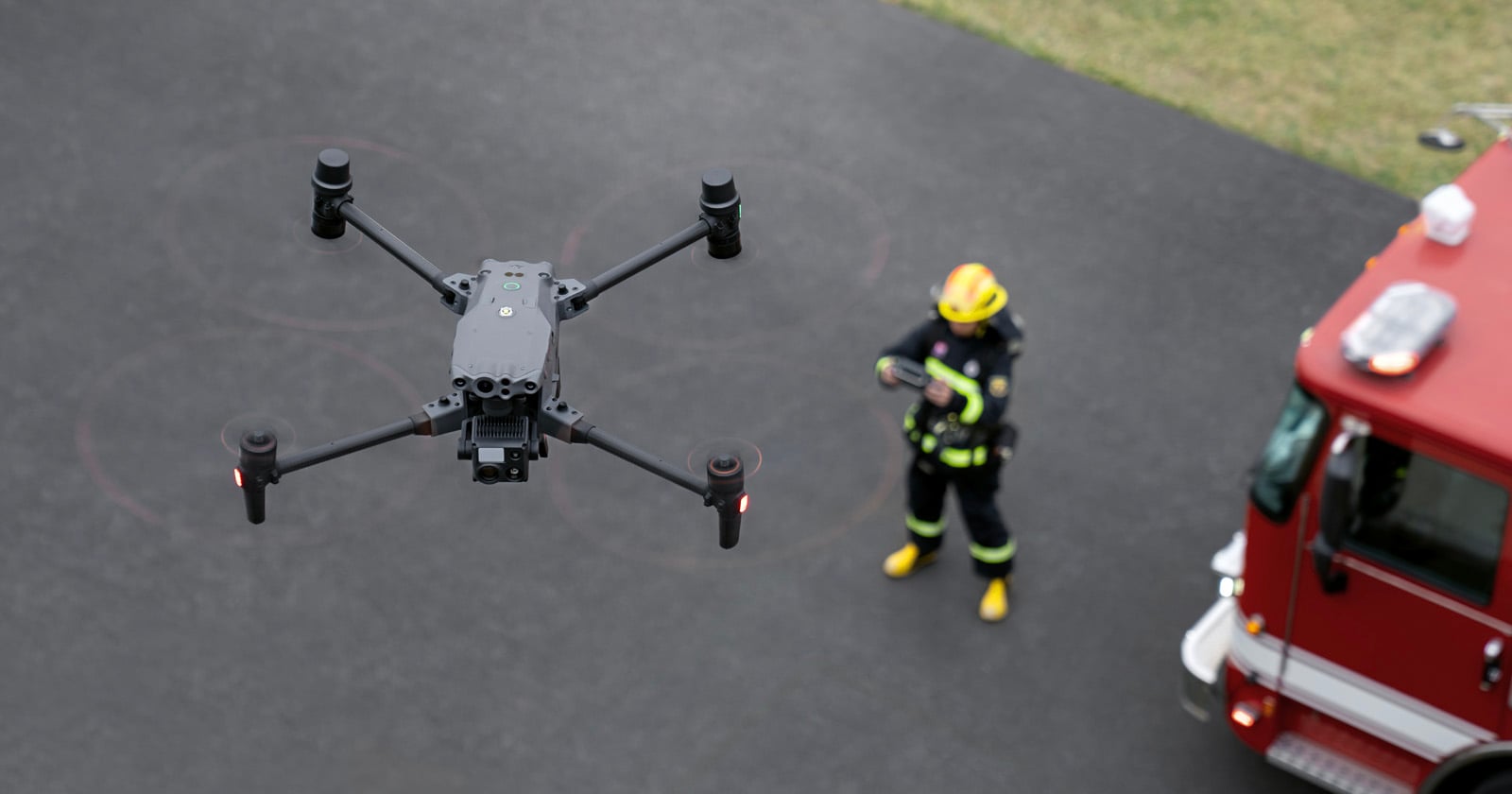
The FCC Is Weighing a Retroactive Ban on DJI Drones it Previously Allowed
The Federal Communications Commission (FCC) is now contemplating a significant shift: a retroactive ban on existing DJI drones. Previously limited to new drone sales, the proposed expansion aims to "secure the drone supply chain," citing concerns about technology with potential military applications. This move impacts a vast number of consumers and businesses already utilizing DJI products. For deeper insights into DJI's evolving camera technology, explore our recent coverage of the teased Osmo 360 II.
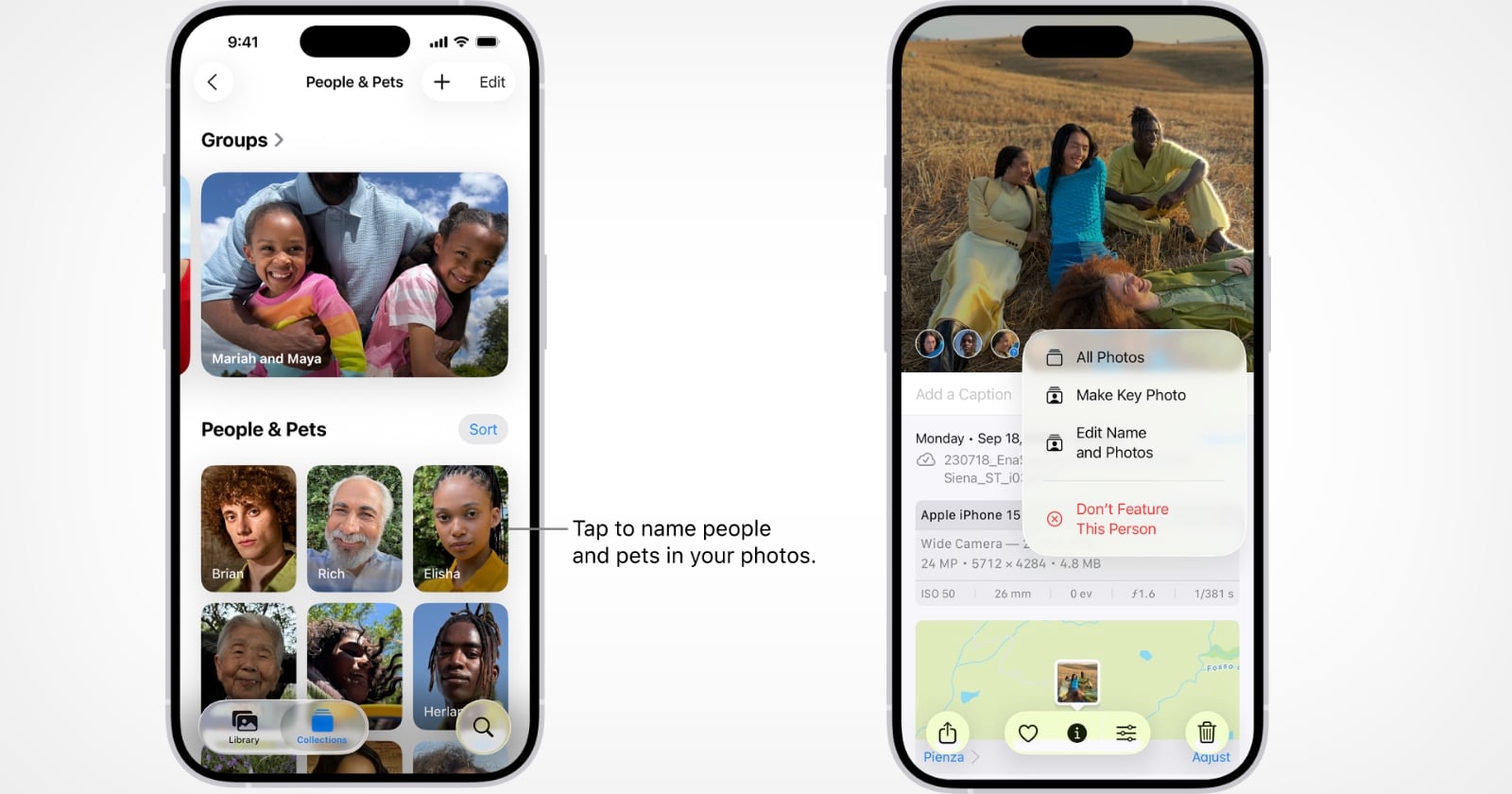
Apple Faces $32.5 Billion Lawsuit Over Facial Recognition in iPhone Photos App
Apple is confronting a significant legal challenge, facing a lawsuit demanding up to $32.5 billion stemming from allegations that its iPhone Photos app improperly gathered users’ biometric data. This substantial claim centers on the app's facial recognition technology and its handling of sensitive personal information. The case underscores growing concerns surrounding data privacy and the responsible use of AI. For further insights into the evolving landscape of AI and its implications, explore our article, "Elon Musk’s xAI Sues Minnesota." [Read More].
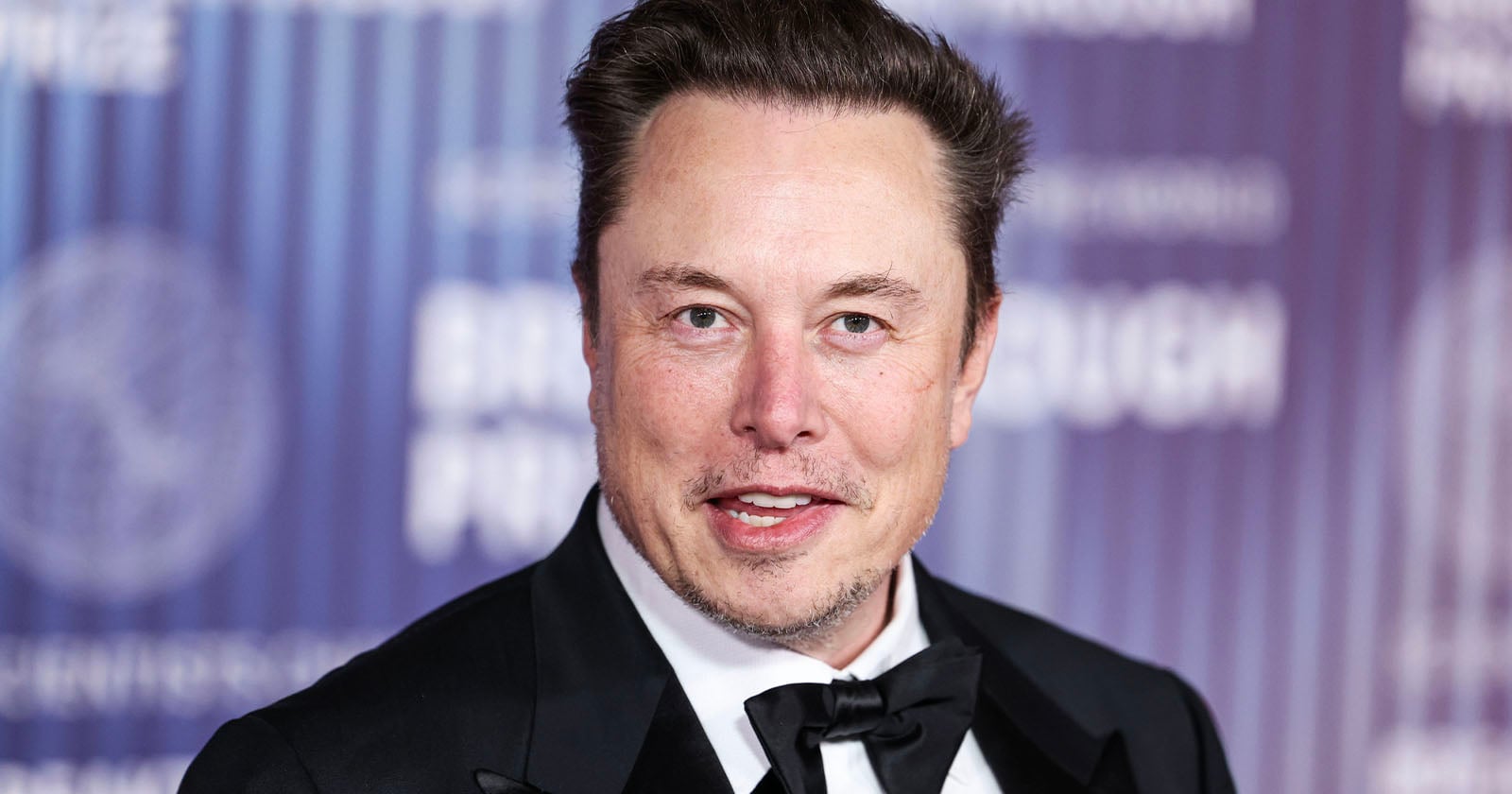
Elon Musk’s xAI Sues Minnesota Days Before State Ban on AI Nudification Apps
xAI, Elon Musk’s artificial intelligence venture, has initiated legal action against Minnesota in a timely challenge to the state's impending ban on AI "nudification" applications. This lawsuit arrives just days before the landmark legislation takes effect, signaling a significant clash over the regulation of AI-generated content. The move underscores xAI's commitment to defending its technologies, particularly Grok. For further insights into the broader implications of AI content regulation, explore our coverage of the EU’s forthcoming labeling requirements for realistic AI images.

EU to Require Labels on Realistic AI Images From Sunday
Beginning this Sunday, the European Union will mandate clear labeling for realistic AI-generated images and videos that depict individuals or mimic real-world events. This significant step, part of the ongoing rollout of the EU's AI Act, aims to foster transparency and mitigate potential deception. The regulation underscores a growing global awareness of AI’s impact.
NPPA Raises Constitutional Concerns Over FAA’s Proposed Drone Limits
The Federal Aviation Administration’s (FAA) proposed restrictions on drone operations near critical infrastructure sites have sparked constitutional debate. The National Press Photographers Association (NPPA) has formally voiced concerns, arguing the rule changes could significantly impede First Amendment-protected newsgathering activities. This move highlights a critical tension between security imperatives and the public’s right to information. For further context on related copyright issues impacting visual creators, see our recent report on the Copyright Office’s planned fee increase.