Trump Places 100% Tariffs on Heavy Drones, 25% on Smaller Ones
Our take
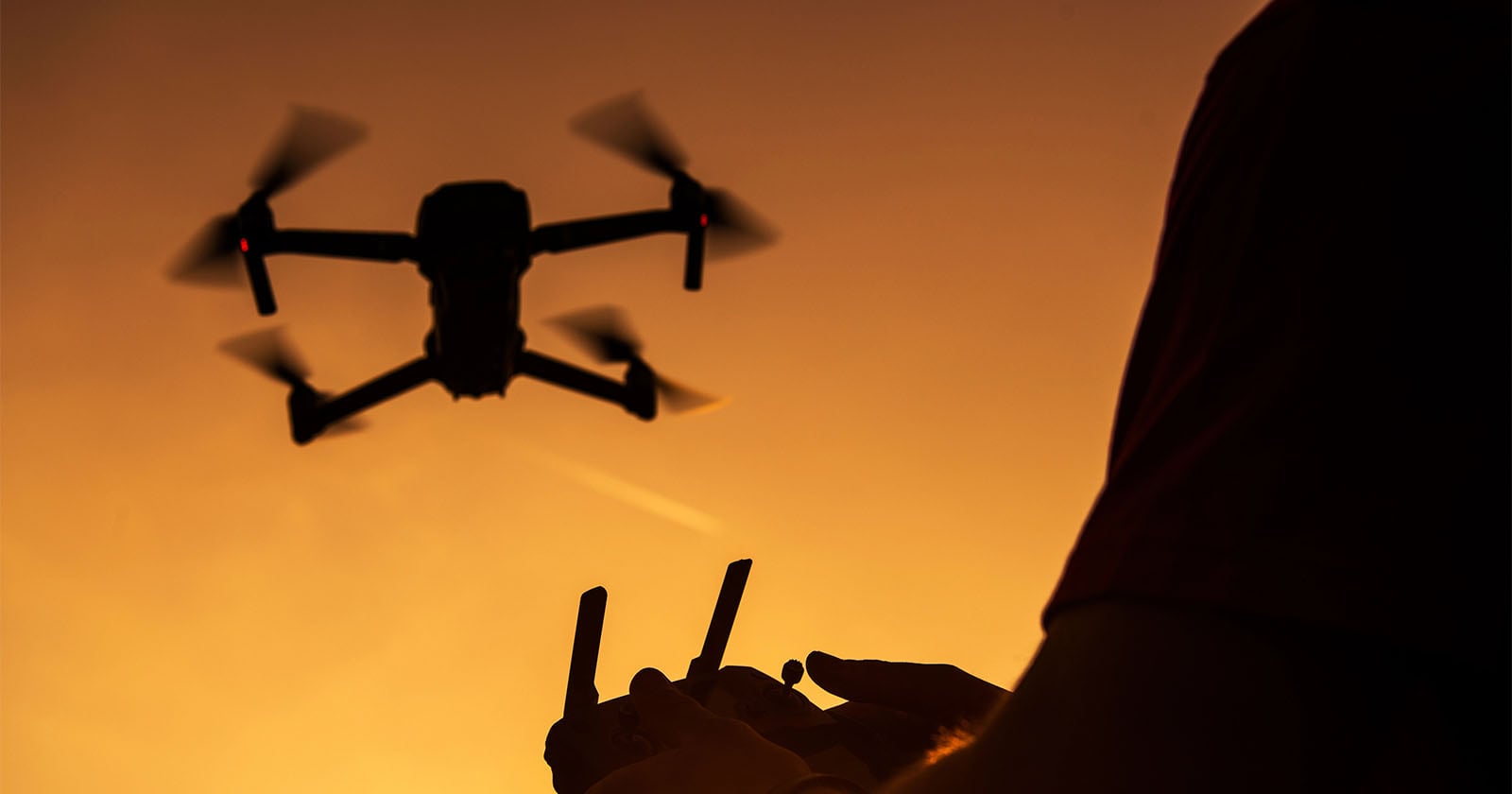
The recent announcement from the Trump administration imposing significant tariffs on drone imports – a staggering 100% on drones exceeding 25 kilograms and 25% on smaller models – sends a clear signal about the evolving landscape of technology trade and its potential impact on the creative industries we serve. This isn’t merely a bureaucratic adjustment; it’s a strategic move with far-reaching implications for photographers, filmmakers, and aerial content creators who have increasingly integrated drones into their workflows. The timing is particularly noteworthy considering the ongoing advancements in drone technology, as highlighted in recent reviews like [Insta360 Wants Its Flagship X6 to be Way More Than a 360-Degree Camera], showcasing a shift toward more versatile and powerful consumer-grade equipment. Furthermore, the potential ripple effects on supporting industries, like those discussed in [The Godox C100 has Retro-Future Looks. Is it Worth the Frustration?], which provide essential lighting and equipment, shouldn’t be underestimated.
The rationale behind these tariffs, presumably rooted in protecting domestic drone manufacturers and national security concerns, is complex. While safeguarding American interests is a legitimate objective, the immediate consequence is a dramatic increase in the cost of imported drones, potentially stifling innovation and limiting access to cutting-edge technology for American creatives. The distinction between heavy and light drones suggests a targeted approach, perhaps aiming to curb industrial drone applications while allowing some breathing room for smaller consumer models. However, the sheer magnitude of the 100% tariff on heavier drones – often utilized for professional film and photography projects requiring stability and payload capacity – is particularly concerning. It’s difficult to ignore the potential for this to significantly impact the accessibility of advanced aerial cinematography tools and elevate production costs across various creative sectors. This development echoes a broader trend of trade tensions impacting the tech market, a reality explored in discussions like [Is There Anything Special About Google’s Pixel 11 Series? | The PetaPixel Podcast], demonstrating how geopolitical factors can influence the availability and price of consumer electronics.
Beyond the immediate financial burden, these tariffs could inadvertently hinder the growth of the drone industry itself. Increased costs may discourage experimentation and adoption of drone technology, slowing down the development of new applications and creative workflows. The US drone market has thrived on a competitive global landscape, with manufacturers from China and Europe offering a diverse range of options. Restricting access to these products could create a less dynamic market, ultimately limiting the choices available to consumers and professionals alike. The impact will be felt most acutely by smaller production companies and independent creators who rely on affordable drone solutions to compete with larger studios. The complexity of the drone ecosystem, encompassing hardware, software, and supporting services, means that these tariffs will have cascading effects throughout the industry, potentially disrupting established supply chains and forcing businesses to adapt quickly.
Looking ahead, the long-term implications of these tariffs remain to be seen. Will domestic drone manufacturers be able to fill the void left by imported products, and can they do so at a competitive price point? Will the tariffs spur innovation within the US drone industry, or will they simply create a barrier to entry for smaller companies? Perhaps more importantly, how will other countries respond, and will this escalate into a broader trade war impacting other technology sectors? The intersection of technological advancement, international trade policy, and creative expression is a complex and evolving one, and it will be crucial to monitor how these tariffs shape the future of aerial content creation and the broader drone landscape.
The Trump administration has imposed sweeping new tariffs on drones, slapping a huge 100 percent ad valorem tariff on imports of drones weighing over 25 kilograms (55 pounds). The new rules affect small consumer drones too, with sub-25-kilogram drones subject to a 25 percent tariff.
Read on the original site
Open the publisher's page for the full experience