The FCC Is Weighing a Retroactive Ban on DJI Drones it Previously Allowed
Our take
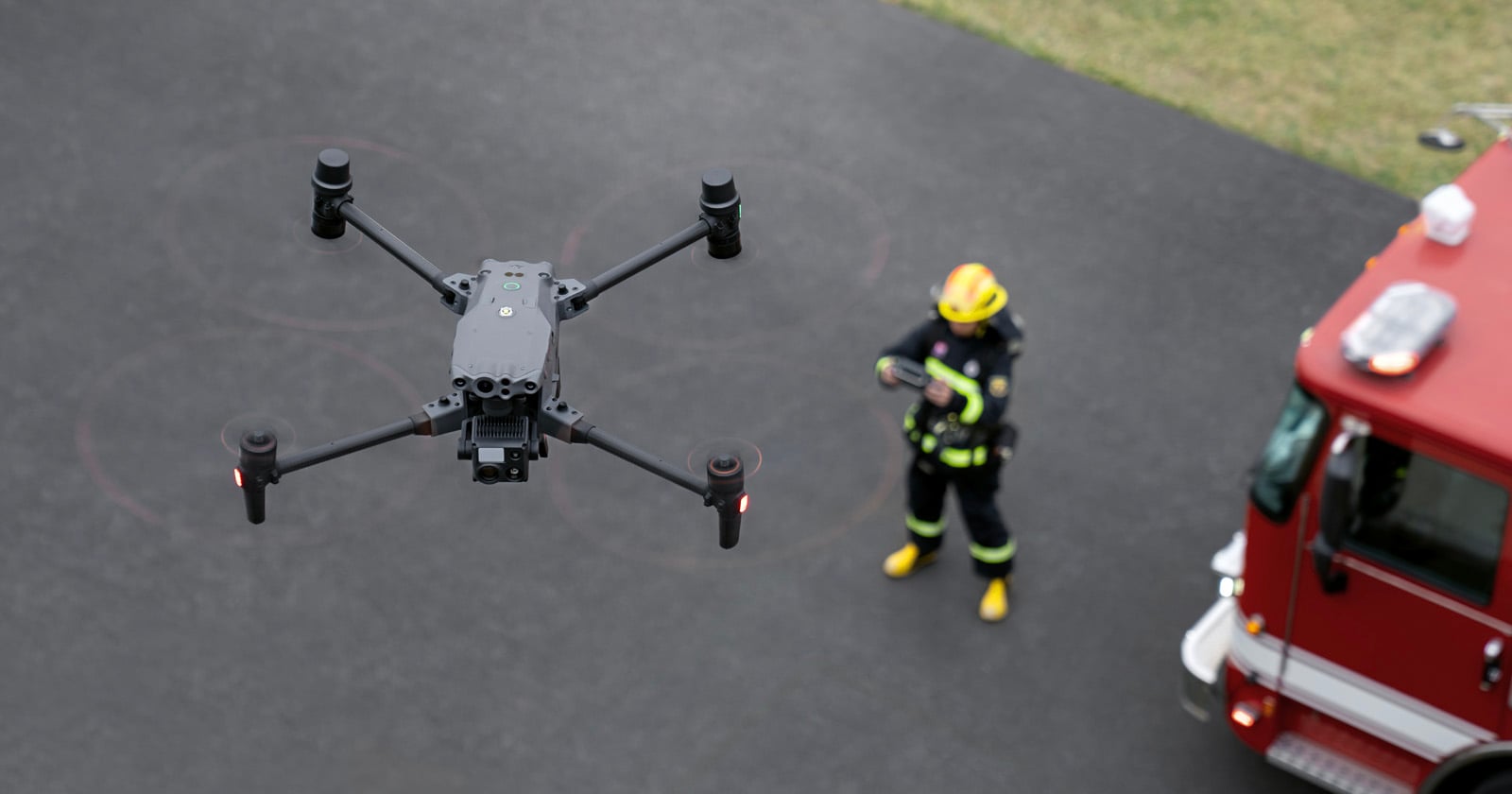
The Federal Communications Commission’s (FCC) consideration of a retroactive ban on existing DJI drones represents a significant and, frankly, unsettling development for both consumers and the broader technology landscape. While the stated goal – securing the drone supply chain and preventing the proliferation of technology with potential military applications – is understandable, the implications of applying this restriction to devices already legally purchased and in use are far-reaching. This move feels particularly jarring given DJI’s established presence and the widespread adoption of their drones across diverse sectors, from filmmaking and photography to agriculture and infrastructure inspection. It underscores a growing tension between national security concerns and the established rights of individuals and businesses who have invested in and rely on these technologies. The situation highlights how quickly regulatory landscapes can shift, impacting established markets and forcing users to adapt to unexpected constraints, a reality not unlike the challenges faced by enthusiasts of legacy camera systems, as seen in articles like [Sony’s Image Sensor Division Is Extremely Profitable][https://petapixel.com/post/sony-s-image-sensor-division-is-extremely-profitable-cmshtofvx05fbmi9zrz0mguez]. Indeed, the advanced imaging capabilities powering these drones are often reliant on sophisticated sensor technology, further illustrating the interconnectedness of various tech sectors.
The retroactive nature of the proposed ban is the most contentious aspect. It essentially penalizes consumers who acted in good faith, adhering to regulations in place at the time of purchase. The FCC's previous allowance of these drones, followed by this sudden reversal, creates a climate of uncertainty and erodes trust in regulatory bodies. It’s difficult to ignore the potential chilling effect this could have on the adoption of other technologies, as users may become hesitant to invest in equipment that could be subject to similar retrospective restrictions. Moreover, the justification – concerns about military technology – is vague. While the potential for misuse exists, it's unclear how a blanket ban on existing devices effectively addresses that threat. DJI themselves have consistently denied any ties to the Chinese military, and the lack of concrete evidence linking their products to specific national security risks raises questions about the rationale behind this drastic measure. The upcoming Osmo 360 II, teased recently [DJI Teases Osmo 360 II With Footage From the New Camera][https://petapixel.com/post/dji-teases-osmo-360-ii-with-footage-from-the-new-camera-cmsj94nvx06ldmi9zi6nmc93t], demonstrates DJI's continued innovation and investment in consumer-focused applications, further highlighting the disruption caused by this potential ban.
Beyond the immediate impact on DJI users, this situation has broader implications for the drone industry and the future of technology regulation. It sets a precedent that could be applied to other sectors, potentially leading to a wave of retroactive restrictions on existing products based on evolving geopolitical concerns. This could stifle innovation and discourage investment, as companies become wary of developing technologies that could later be deemed problematic by regulators. It also raises questions about the fairness and predictability of the regulatory process. While national security is paramount, it shouldn't come at the expense of individual rights and economic stability. A more targeted approach, focusing on specific technologies or applications rather than a blanket ban on existing devices, would be a more equitable and effective solution. The Nikon J5's continued appeal to enthusiasts [The Nikon J5 Is Still Their Most Underrated Camera][https://petapixel.com/post/the-nikon-j5-is-still-their-most-underrated-camera-cmshtpjy305idmi9zrw425g4t] demonstrates that established, reliable technology often has a long lifespan, and arbitrarily restricting access to it can be detrimental.
Ultimately, the FCC’s decision on this matter will have far-reaching consequences. The debate extends beyond drones and touches upon fundamental questions about the balance between national security, consumer rights, and the principles of a free and open market. As technology continues to evolve and become increasingly integrated into our lives, the need for clear, predictable, and equitable regulations becomes ever more critical. The question remains: will this be a watershed moment, signaling a new era of retroactive technology restrictions, or will the FCC reconsider its approach and prioritize a more balanced and sustainable path forward?
The Federal Communications Commission (FCC) is considering expanding its already existing ban on new DJI drones to include drones that already exist in the marketplace, claiming it wants to “secure the drone supply chain” by preventing the sale of drones equipped with military technology.
Read on the original site
Open the publisher's page for the full experience