Your Apple Watch Is Always Listening, Will Anyone Ever Be Honest Again?
Our take
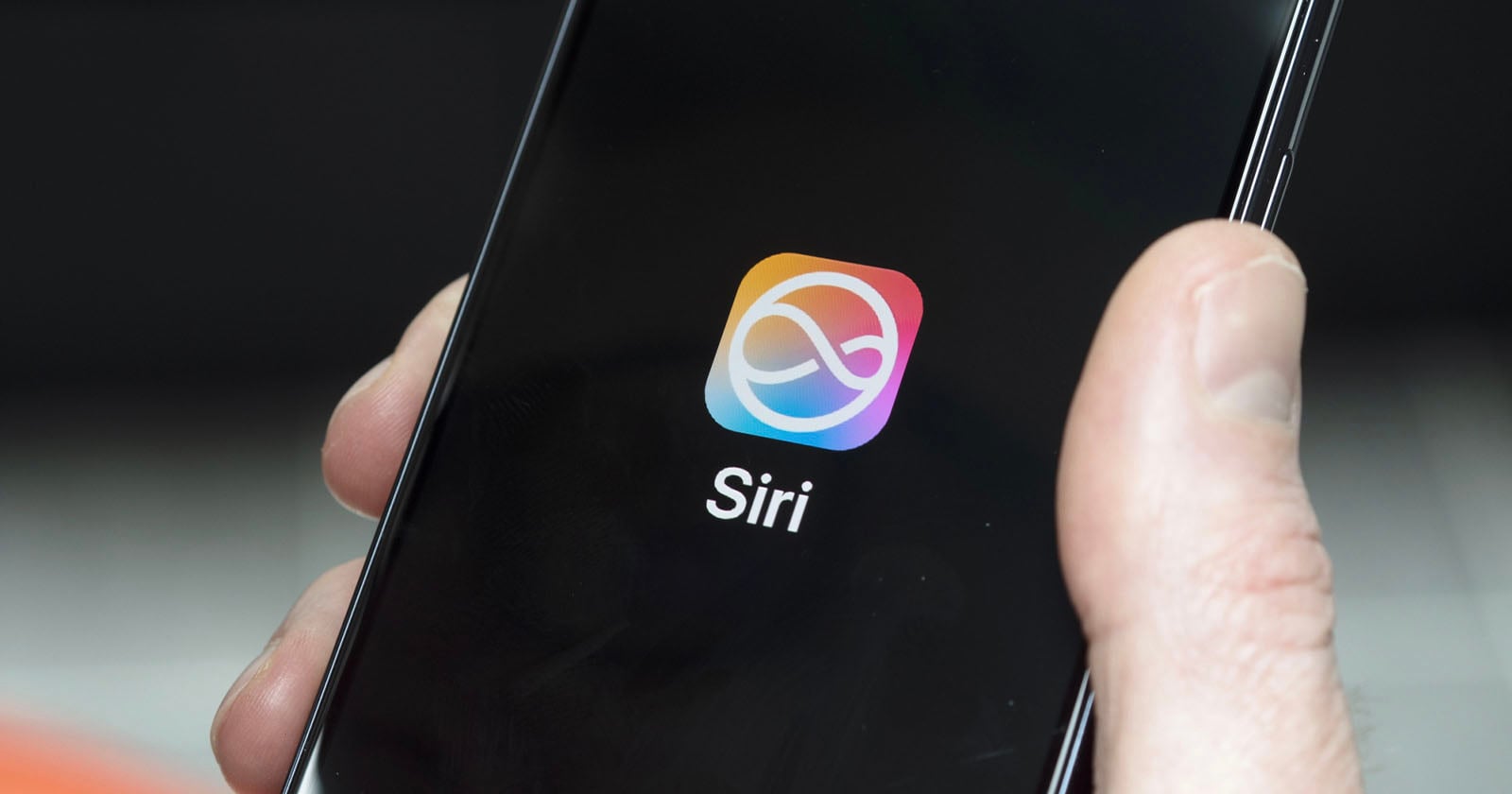
The unveiling of Apple’s Siri Recap feature on the Series 12 Apple Watch, utilizing “ambient listening” to create personalized summaries, has ignited a fascinating and somewhat unsettling conversation about privacy, technology, and the very nature of honest interaction. While Apple frames this as a convenient way to revisit forgotten moments and capture fleeting thoughts, the implications extend far beyond simple note-taking. It raises profound questions about the erosion of personal space and the potential chilling effect on authentic communication, particularly for those who value discretion and unmonitored conversation. This development isn’t entirely unprecedented; the conversation around always-on microphones in smart speakers has long been fraught with concerns, but the intimacy of a wrist-worn device adds a new layer of complexity. The recent debut of Apple’s new iPhones, Watches, and AirPods—alongside its biggest smartphone debut in years [Who’s Ready for the Dual Screen Era?] highlights the company’s ongoing push into seamlessly integrated, always-on technology, and Siri Recap feels like a natural, if somewhat jarring, progression of that strategy. We've also seen how style and aesthetics can take precedence, as demonstrated by Tecno’s ultra-slim smartphone borrowing its style from famous artists [Tecno’s Ultra-Slim Smartphone Borrows its Style From Famous Artists].
The crux of the issue lies in the implicit expectation of surveillance. Knowing that your watch is passively recording snippets of your conversations, even if they’re only selectively summarized later, fundamentally alters the dynamic of those conversations. Will people be less candid with loved ones? More guarded in professional settings? The potential for self-censorship is palpable, and the long-term consequences for open dialogue could be significant. It’s worth noting the current anxieties surrounding authenticity in a digitally mediated world, exemplified by the controversy around AI-generated renders in the photography space [Photographers Hate the New Canon R8 Mark II Renders]. This Siri Recap feature, while seemingly innocuous, risks exacerbating those anxieties by blurring the lines between genuine human interaction and algorithmic observation. The promise of convenience shouldn't come at the cost of our ability to have truly private moments. Apple’s insistence on privacy as a core value feels somewhat dissonant when juxtaposed with a feature that inherently compromises it, even if that compromise is framed as optional.
Beyond the immediate privacy concerns, Siri Recap also prompts a broader reflection on the evolving relationship between humans and AI. As these technologies become increasingly integrated into our daily lives, we risk normalizing constant monitoring and relinquishing a degree of autonomy. The ability to retrospectively analyze past conversations, even in a summarized form, introduces a subtle but powerful form of control. While the feature is presented as a tool for personal recollection, the potential for misuse—by Apple itself, or by third parties—cannot be entirely dismissed. The very notion of “ambient listening” implies a passive, almost parasitic relationship, where technology is silently absorbing information from our surroundings. This isn’t about paranoia; it’s about recognizing the subtle shifts in power dynamics that accompany the proliferation of increasingly sophisticated surveillance technologies.
Ultimately, the Siri Recap feature serves as a potent reminder that technological progress isn't always synonymous with societal benefit. While the allure of seamless integration and personalized convenience is undeniable, we must critically examine the trade-offs involved. As we move further into a world where our digital footprints become increasingly granular and persistent, a crucial question emerges: how do we safeguard the sanctity of our private lives and preserve the freedom to communicate openly and honestly, without the ever-present specter of algorithmic observation? Will we adapt to this new reality, accepting a diminished expectation of privacy as the price of technological advancement, or will we actively push back against the normalization of constant surveillance?
News just broke that the new Apple Watch Series 12 will have a feature called "Siri Recap" that uses "ambient listening" to "take notes" that users can later review as a summary.
Read on the original site
Open the publisher's page for the full experience