Real Estate Photographer’s Drone Blasted Out of the Sky
Our take
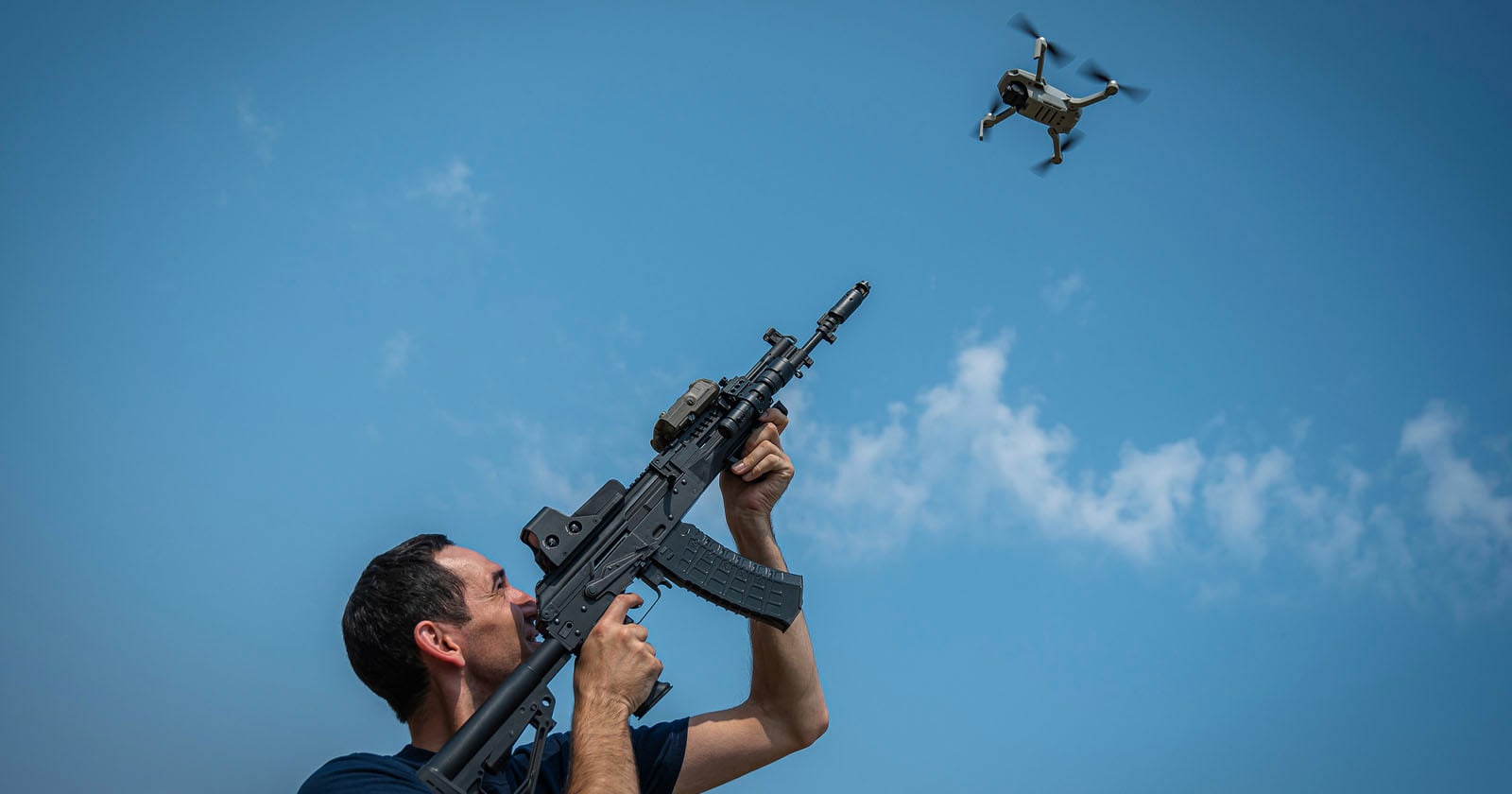
The unsettling news of a real estate photographer’s drone being shot down in Alabama highlights a growing tension within the creative landscape – the intersection of technological advancement, privacy concerns, and evolving legal boundaries. This incident isn't merely a case of property damage; it’s a stark reminder of the potential for conflict as drones become increasingly commonplace in various professional fields. We've seen similar anxieties surface in other areas of technology, such as the debate around the Samsung Galaxy S27 Ultra’s 200MP camera What’s Missing From the Samsung Galaxy S27 Ultra’s 200MP Camera and the broader discussion about the capabilities and implications of ever-more-powerful imaging technology. The photographer's collaboration with authorities to identify the shooter underscores the seriousness of the situation and the need for clear guidelines regarding drone usage and airspace regulations. It also echoes the recent reassessment of Fujifilm's position in the mirrorless market Fujifilm Didn’t Actually Jump Ahead of Nikon in Mirrorless, demonstrating how perceptions and realities can diverge, and the importance of scrutinizing claims and understanding the underlying dynamics.
The rise of drone photography has undeniably revolutionized real estate marketing, offering breathtaking aerial perspectives that were previously unattainable. This has created a new aesthetic standard, one that emphasizes expansive views and curated compositions. However, this accessibility has also blurred the lines of privacy and property rights. While regulations exist regarding drone operation—altitude limits, no-fly zones, and requirements for registration—they often struggle to keep pace with the rapid technological evolution. This incident demonstrates a lack of understanding or disregard for those regulations, a situation exacerbated by the subjective nature of what constitutes a “reasonable” intrusion. The legal implications are complex, potentially involving charges of property damage, reckless endangerment, and even potential federal violations depending on the circumstances. The photographer's reliance on working with authorities to identify the shooter suggests a deliberate act, rather than a simple accident, and raises questions about the motives behind it.
Beyond the immediate legal ramifications for the photographer and the alleged shooter, this event signals a broader shift in public perception. The novelty of drones has begun to wear off, replaced by growing concerns about surveillance and the potential for misuse. The ease with which drones can be deployed and the relative difficulty in identifying their operators creates an environment ripe for conflict. Furthermore, the increasing sophistication of drone technology—longer flight times, higher-resolution cameras, and even the ability to carry payloads—only amplifies these anxieties. Consider the meticulous approach required when utilizing traditional photographic techniques, as highlighted in discussions around utilizing Kodak Tri-X in studio settings 4 Things to Know About Using Kodak Tri-X in the Studio, where lighting and composition are carefully controlled. Drones introduce a level of unpredictability and potential intrusion that demands a more nuanced and regulated approach.
Ultimately, the Alabama drone incident serves as a cautionary tale. It’s a call for clearer legislation, increased public education regarding drone etiquette, and a greater emphasis on responsible drone operation. As drone technology continues to evolve and become more integrated into our lives, it’s crucial to proactively address the ethical and legal challenges it presents. The question moving forward isn't *if* incidents like this will occur again, but rather *how* we can prevent them and foster a harmonious coexistence between the benefits of drone technology and the rights and privacy of individuals. What mechanisms, beyond legal repercussions, can be developed to ensure mutual respect and understanding within our increasingly aerialized world?
A real estate photographer in Alabama had his drone shot down and is now working with authorities, hoping to identify the shooter.
Read on the original site
Open the publisher's page for the full experience