Police Investigate TikToker Accused of Secretly Filming Strangers With Meta Smart Glasses
Our take
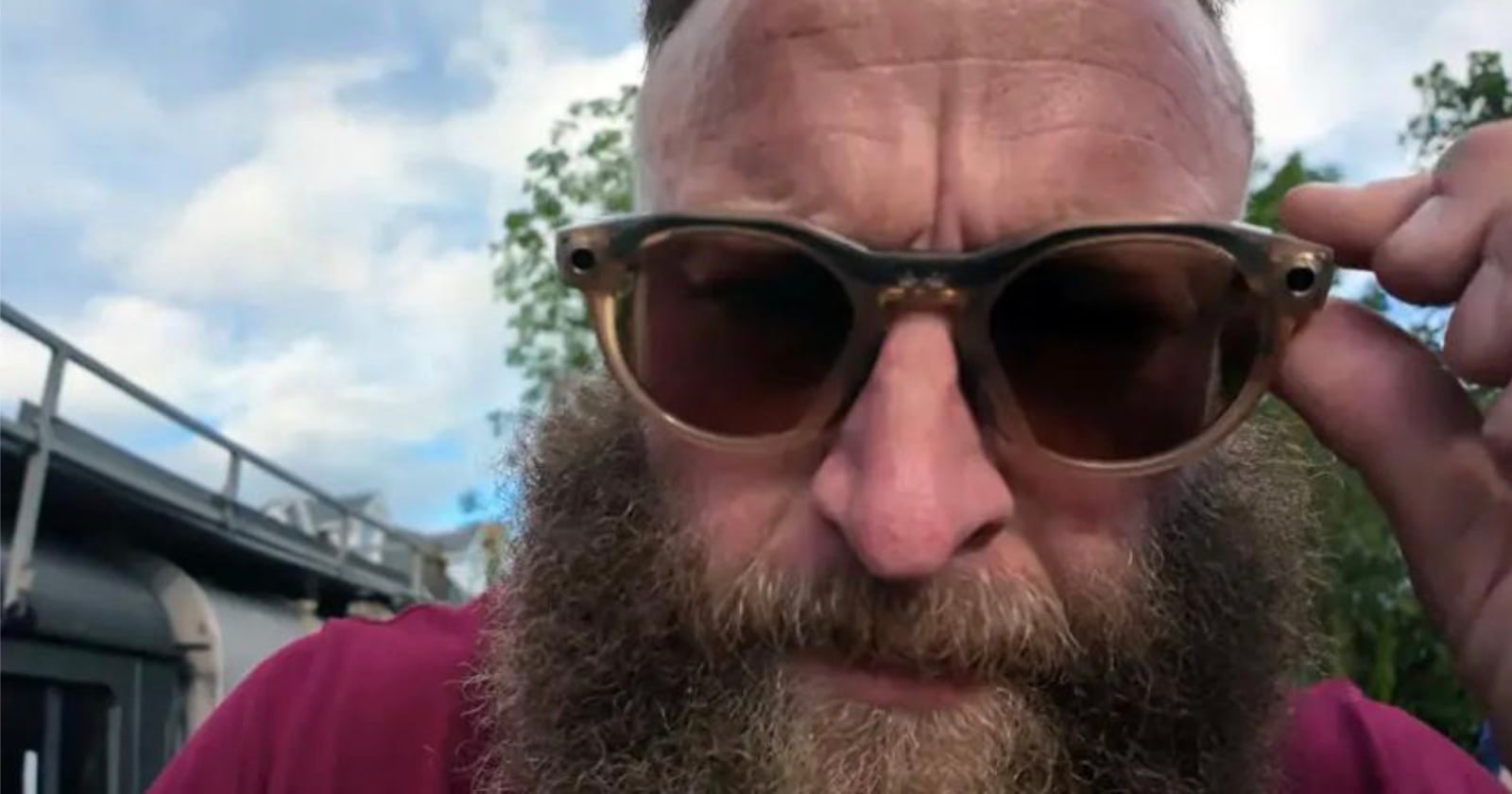
The recent news of a TikTok content creator facing investigation for secretly filming strangers with Meta smart glasses is unsettling, yet perhaps not entirely surprising given the rapid advancement and increasingly integrated nature of wearable technology. This incident highlights a critical tension: the allure of immersive content creation versus the fundamental right to privacy. We've seen similar anxieties surface recently, as evidenced by the backlash against businesses attempting to restrict content creators, like the Nantucket Antique Store’s ‘No Influencers’ Sign Angers Content Creators, demonstrating a growing awareness of the impact creators have on public spaces. The ease with which these glasses can capture and disseminate footage raises profound questions about consent, surveillance, and the evolving boundaries of public and private life – questions that demand thoughtful consideration as technology continues to blur those lines.
The core of the issue isn't necessarily the technology itself, but rather the ethical application—or, in this case, blatant misuse—of it. Meta’s own advancements, as detailed in their recent announcement that they’ve Meta Says It Has Scanned Every Single Public Instagram Post With its AI, underscore the immense capabilities of AI-powered image and video analysis. While intended to improve content moderation and user experience, this level of technological sophistication also presents opportunities for exploitation, as this case demonstrates. The rise of film photography among Gen Z, as explored in Gen Z Has Entered the Film Photography Chat, hints at a desire for more deliberate and conscious creation, a counter-current to the constant, often unchecked, stream of content generated by easily accessible technology. This incident serves as a stark reminder that increased accessibility doesn't automatically equate to responsible usage.
The legal ramifications of this situation are likely to be complex, requiring courts to grapple with how existing privacy laws apply to this novel form of surreptitious recording. Current laws regarding consent and recording conversations often vary by state, and the subtle nature of smart glasses makes detection—and therefore, informed consent—extremely difficult. Beyond the legal landscape, there’s a broader societal shift at play. The expectation of constant visibility, fueled by social media and the desire for viral content, is reshaping our understanding of personal space and boundaries. Creators, often operating within a culture that prioritizes engagement above all else, may struggle to navigate these evolving norms, particularly when technological tools make it incredibly easy to circumvent traditional ethical considerations. The normalization of subtle surveillance, even if unintentional, poses a threat to the fundamental principles of trust and autonomy that underpin a healthy society.
Ultimately, this case isn’t just about one TikToker’s actions; it's a harbinger of challenges to come. As augmented reality and wearable technology become increasingly pervasive, we must proactively address the ethical and legal frameworks surrounding their use. The onus is on both technology companies and individual creators to prioritize responsible innovation and content creation. The question remains: will we, as a society, develop the necessary safeguards and ethical guidelines to prevent the erosion of privacy in an age of ever-present, discreet recording devices, or will the pursuit of viral content continue to outweigh the fundamental right to be left alone?
A content creator who used Meta smart glasses to secretly film hundreds of videos for his TikTok account is being investigated by police.
Read on the original site
Open the publisher's page for the full experience