The Golden Hour Portrait Photo Tricks Everyone Forgot
Our take
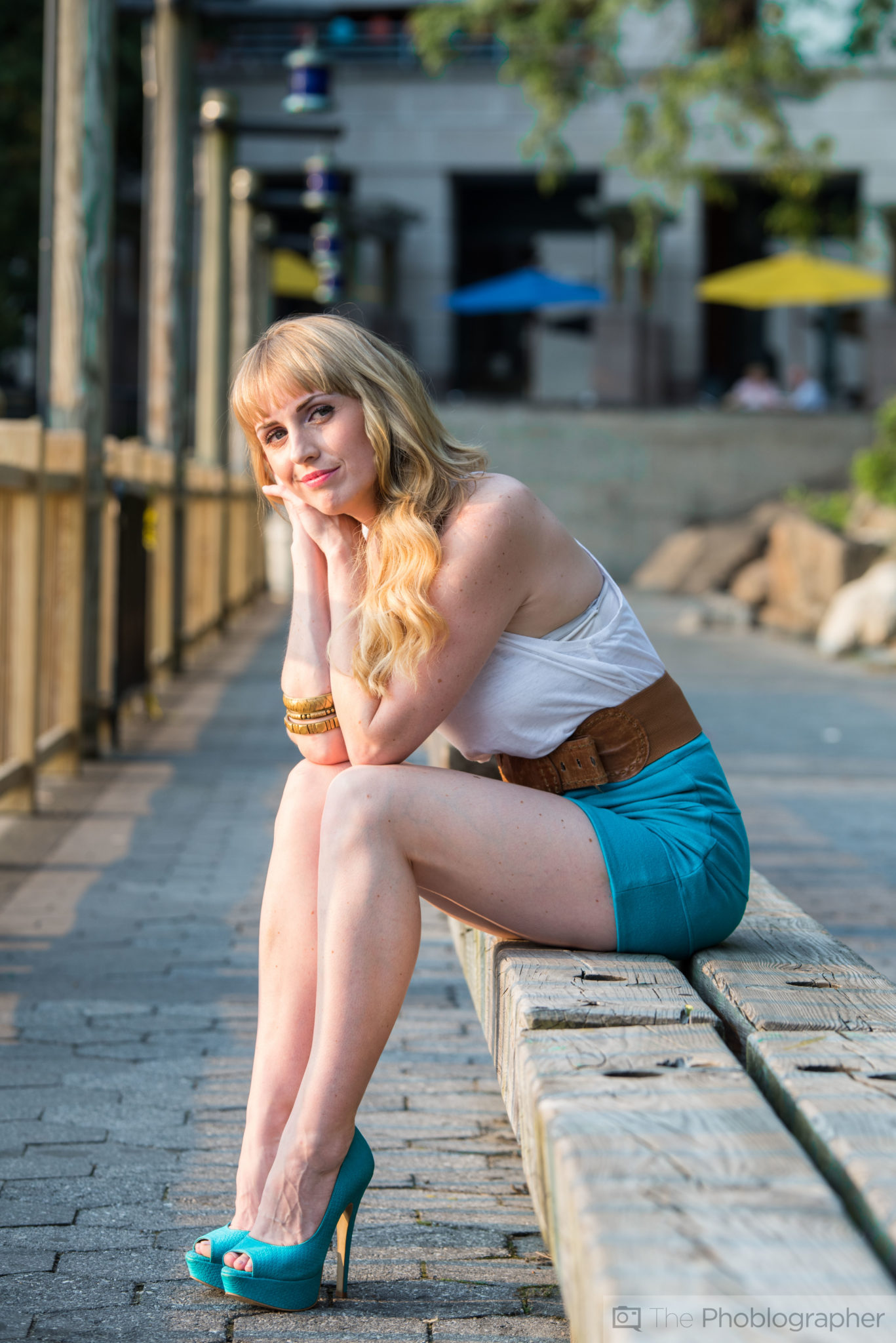
The relentless pursuit of likes and fleeting social media validation has, undeniably, warped the landscape of photography. The article "The Golden Hour Portrait Photo Tricks Everyone Forgot" cuts through the noise, a welcome reminder that the magic isn't solely conjured in post-production, but rather meticulously crafted in-camera. We've seen a concerning trend – photographers prioritizing editing prowess over foundational photographic skill, showcasing before-and-after transformations designed to impress rather than genuinely elevate the art. This isn't to dismiss the role of editing entirely; it’s a powerful tool when wielded with intention. However, when it becomes the primary focus, the underlying artistry risks being obscured. The emphasis should always be on capturing a compelling image initially, rather than relying on software to salvage a poorly conceived shot. Consider, for example, how thoughtful location scouting, as discussed in The Crosswalk: The Best Place for New Street Photographers, can inherently improve a photograph's narrative and visual appeal before any editing even begins. Similarly, understanding natural light and its impact – crucial for the golden hour – is paramount, a skill beautifully demonstrated in the recent Wildlife Photographer of the Year finalists, highlighted in Butterfly’s Narrow Escape Among Wildlife Photographer of the Year Finalists.
This shift towards prioritizing post-production is symptomatic of a broader cultural phenomenon: the democratization of content creation, fueled by readily available editing apps and a constant pressure to produce visually arresting material. While accessibility is undeniably a positive development, it has also inadvertently lowered the bar for quality in some corners of the photographic world. The article’s call for a return to intentionality resonates deeply. It's about understanding the fundamentals – aperture, shutter speed, ISO, composition – and using them to shape the image *before* it even hits the editing software. It's a rejection of the ‘quick fix’ mentality and an embrace of a more deliberate, thoughtful process. The focus should be on honing one's eye and developing a unique artistic vision, rather than simply chasing trends and relying on filters to mask technical shortcomings. The recent announcements from Panasonic regarding refreshed lenses, detailed in Panasonic Refreshes Four Lenses, Including Three for Micro Four Thirds, further underscores this point; better tools, ultimately, enable better *in-camera* results, reinforcing the need for photographers to master their craft rather than solely depend on post-processing.
The implications of this resurgence in intentional photography extend beyond the individual photographer. It speaks to a broader desire for authenticity and a rejection of the hyper-curated, often unrealistic, imagery that dominates social media. Audiences are becoming increasingly savvy, recognizing the difference between genuine artistry and manufactured perfection. There's a growing appreciation for images that feel real, that capture a moment with honesty and vulnerability, even if they aren't flawlessly edited. This shift presents an opportunity for photographers to distinguish themselves by prioritizing substance over style, by crafting images that tell a story and evoke emotion, rather than simply seeking to impress with technical wizardry. It’s a chance to reclaim the narrative and redefine what constitutes compelling photography in the digital age.
Ultimately, the conversation sparked by this article isn't about dismissing the value of editing, but about restoring balance. It’s a reminder that the best photographs are those where the artistry is evident from the outset, where the editing serves to enhance, not compensate. As technology continues to evolve and editing tools become even more sophisticated, will we see a renewed emphasis on foundational photographic skills, or will the pursuit of the perfect filter continue to overshadow the art of capturing a truly exceptional image? The future of photography, it seems, hinges on our collective ability to prioritize intention and artistry above all else.
Read on the original site
Open the publisher's page for the full experience