‘The Invite’ Director Olivia Wilde Takes a Tour of Kodak’s 35mm Film Lab
Our take
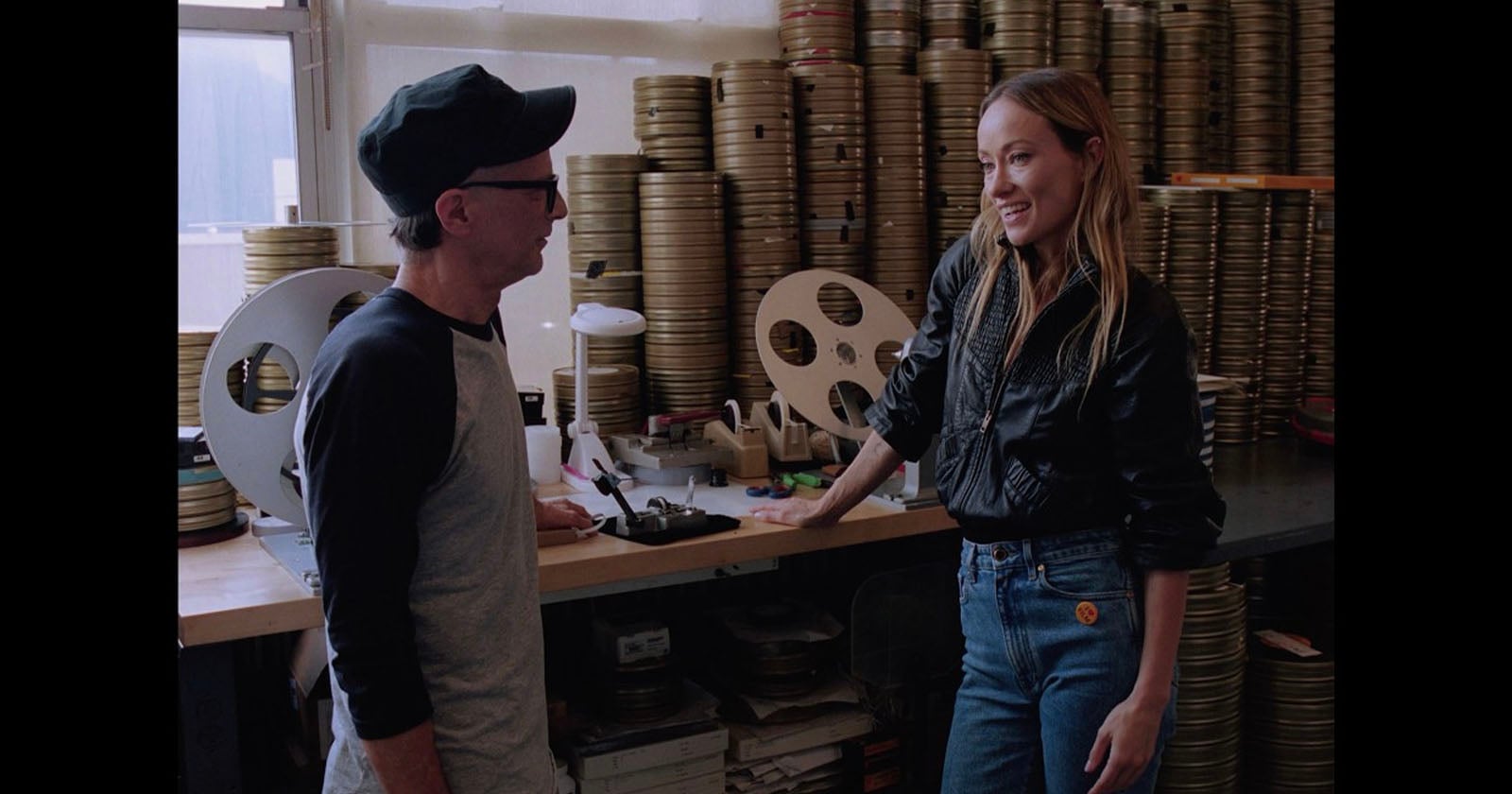
The resurgence of film in mainstream cinema isn't merely a nostalgic trend; it's a powerful statement about artistic integrity and a deliberate rejection of the homogenizing effects of digital workflows. Olivia Wilde’s recent tour of Kodak’s 35mm film lab, coinciding with the box office success of both *The Odyssey* and her own film *The Invite*, highlights a growing movement among filmmakers seeking a distinct aesthetic and tactile quality that digital capture simply can't replicate. The conversation around *The Odyssey’s* IMAX 70mm presentation, and the criticism leveled at its perceived elitism [Gen Z Thinks ‘The Odyssey’ in IMAX 70mm is Elitist], underscores a broader debate about accessibility versus artistic choice. While the format itself might be exclusive, the underlying desire for a richer, more textured cinematic experience is increasingly prevalent, and film offers a tangible route to achieving that. It’s a choice that prioritizes craft and a specific visual language over ease of production and post-processing.
The enduring appeal of film goes beyond mere aesthetics. It's deeply intertwined with a philosophy of filmmaking that values intentionality and deliberate choices. The limitations of film – the cost per foot, the development process, the grain and imperfections – force filmmakers to be more mindful of every shot, every frame. This contrasts sharply with the often-profligate nature of digital shooting, where the ease of capturing endless takes can lead to a diluted creative vision. Consider the dedication required in landscape photography to achieve a specific look, something often overlooked [Something No One Thinks About in Landscape Photography]. Similar meticulousness is being rediscovered in cinema, as filmmakers actively choose to embrace the inherent qualities of film. The rise of companies like 3D Film Parts, developing innovative tools for filmmakers [This Australian Startup Is Designing Clever Gear for Filmmakers], further signals a renewed commitment to the analog filmmaking process, providing support for a growing community.
The significance of Wilde’s visit extends beyond a simple publicity stunt. It represents a validation of the film industry’s ongoing investment in traditional processes and a public acknowledgement of its artistic merit. Kodak's continued production of motion picture film, despite the overwhelming dominance of digital, demonstrates a belief in the enduring demand for this medium. This isn’t about rejecting technology wholesale; it’s about recognizing the distinct artistic possibilities that film offers—a warmth, a depth, a visual richness that continues to inspire filmmakers and captivate audiences. The inherent imperfections become part of the charm, contributing to a sense of authenticity and a tangible connection to the cinematic past. This is a conscious departure from the often-sterile perfection of digital imagery, and a powerful statement about the value of artistic expression over purely technical efficiency.
Looking ahead, the question isn't whether film will completely replace digital – that’s unlikely. Rather, it's whether this renewed appreciation for film will lead to a more nuanced understanding of the artistic choices filmmakers make and a greater willingness to embrace the unique qualities of each medium. Will audiences increasingly recognize and value the distinct aesthetic that film provides, or will the convenience and ubiquity of digital capture continue to dominate the cinematic landscape? The current trajectory suggests a fascinating interplay between analog and digital, with film carving out a dedicated space for those seeking a more profound and tactile cinematic experience.
With Christopher Nolan's The Odyssey causing a lot of commotion at the box office, there's another movie that was also shot on film that's currently playing in theaters.
Read on the original site
Open the publisher's page for the full experience