This Australian Startup Is Designing Clever Gear for Filmmakers
Our take
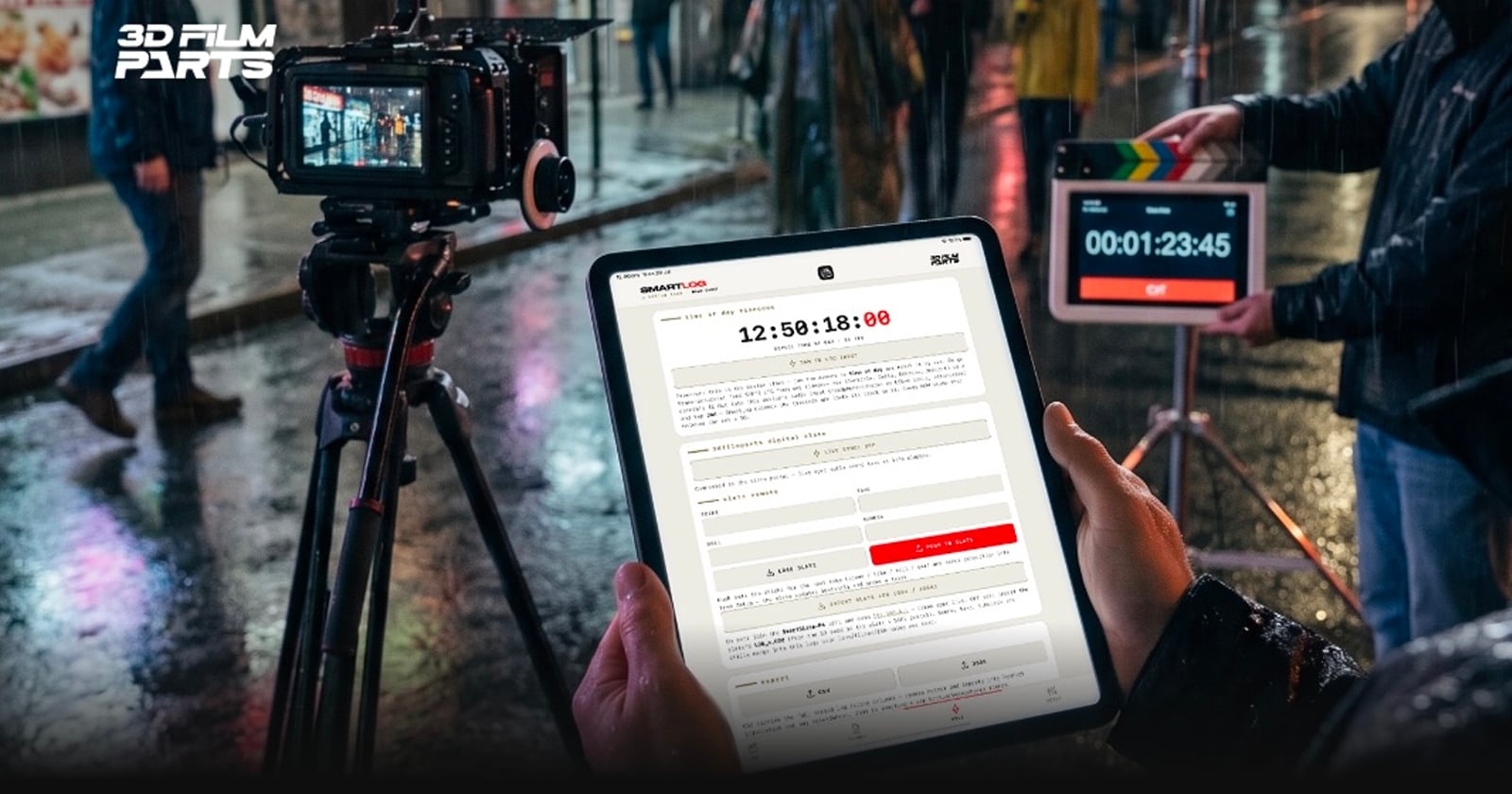
The resurgence of analog photography continues to reshape the creative landscape, and the innovations emerging from smaller players like Australian startup 3D Film Parts are a compelling testament to that shift. We’ve seen this renewed appreciation for tangible processes and deliberate creation reflected in numerous trends, from the enduring appeal of film photography itself In the Age of AI, Film Photographers are Most Authentic to the increasing demand for tools that streamline the analog workflow. 3D Film Parts’ unveiling of SmartLog and the Smart Slate P4 isn’t about reinventing the wheel; rather, it’s a clever modernization of essential filmmaking tools, acknowledging the continued presence of traditional methods in a digital world. These tools underscore a vital point: even as technology advances, the fundamentals of filmmaking – accurate logging, synchronized shots, and efficient set operations – remain constant, and often benefit from a blend of digital precision and tactile familiarity – a sentiment echoed in the design of stylish and flexible flashes like the Godox Lux Junior II Godox’s New Lux Junior II Flash Is Stylish and Flexible.
The SmartLog app, offering a free digital camera report solution, addresses a persistent pain point for film crews – the often-tedious and error-prone process of manual log keeping. Digitizing this process not only increases accuracy but also facilitates seamless data sharing and organization, streamlining post-production workflows. Similarly, the Smart Slate P4, while still a proof-of-concept, signals a move towards integrating electronic clapperboards with modern devices. The ability to instantly sync slate information with camera footage, and to eliminate the need for manual transcription, represents a significant efficiency gain. These seemingly small innovations reflect a broader trend in the filmmaking industry: a desire for tools that augment, rather than replace, established workflows. The recent popularity of analog cameras among Gen Z shows a desire for a more hands-on creative process The Best 5 Point-and-Shoot Analog Cameras for Gen Z, and these new tools from 3D Film Parts cater to that sensibility.
It's easy to get caught up in the hype surrounding cutting-edge digital technologies, but the value of these practical, well-designed tools shouldn’t be underestimated. 3D Film Parts’ approach—focusing on refining existing processes and making them more accessible—is a refreshing contrast to the relentless pursuit of entirely new solutions. They’re not chasing a futuristic vision of filmmaking; they're providing tangible improvements to the everyday realities of camera crews, large and small. The fact that SmartLog is offered as a free app is particularly noteworthy, democratizing access to a valuable tool for independent filmmakers and smaller production teams who often operate on tight budgets. This accessibility speaks to a broader philosophy of empowering creatives with practical solutions, rather than creating barriers through expensive or complex technology.
The success of 3D Film Parts will hinge on their ability to continue iterating on these concepts and expanding their product line while maintaining their commitment to usability and affordability. It will be fascinating to observe how these tools are adopted by the filmmaking community, and whether they inspire further innovation in the realm of analog workflow enhancement. Will we see a broader trend towards integrating digital solutions into traditional filmmaking practices, or will the demand for tactile, hands-on tools continue to drive innovation in the physical space? The answers likely lie in the ongoing interplay between the evolving digital landscape and the enduring appeal of the craft of filmmaking.
Australian company 3D Film Parts has unveiled two new tools aimed at making life easier for filmmakers and camera crews: a free digital camera report app called SmartLog and a proof-of-concept electronic clapperboard known as the Smart Slate P4.
Read on the original site
Open the publisher's page for the full experience