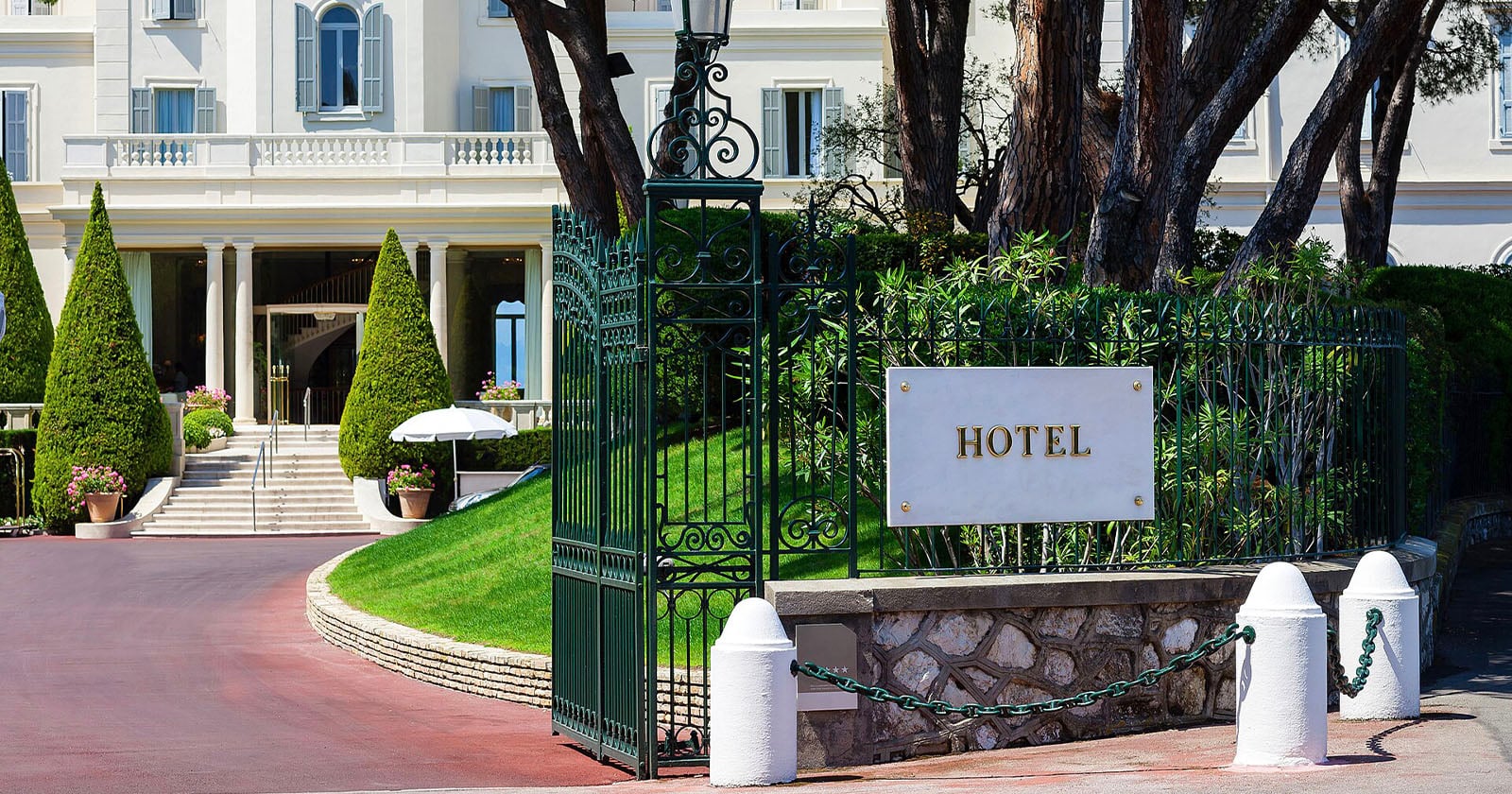
The recent announcement from a prestigious hotel in the South of France—a complete ban on photography—is more than a quirky policy shift; it's a potent symbol of our evolving relationship with experience and the relentless pursuit of digital validation. It highlights a growing tension between savoring the present moment and documenting it for an online audience. This isn’t merely about preserving a hotel’s aesthetic; it’s about reclaiming the sanctity of a curated, luxurious experience from the clutches of the performative social media cycle. Consider the broader implications, particularly as we see institutions grapple with the impact of viral content – a challenge Aperture, a nonprofit dedicated to the advancement of photography, also addresses in their new New York home Aperture's New York Home: A Vibrant Hub for Photography and Art. The hotel's decision underscores the desire to prioritize genuine engagement over fleeting online approval, a sentiment increasingly shared by those seeking respite from the constant pressure to curate a perfect digital persona.
The rise of the "Instagrammable" moment has undeniably reshaped our travel and hospitality experiences. Restaurants now design dishes with visual appeal in mind, hotels meticulously stage their interiors for optimal photo opportunities, and even natural landscapes become secondary to the perfect backdrop for a selfie. While this phenomenon has undoubtedly fueled tourism and elevated certain design aesthetics, it has also created a culture of superficiality, where the act of capturing an image often overshadows the experience itself. The hotel’s ban is a bold statement against this trend, a conscious effort to steer guests back towards mindful appreciation. It echoes concerns raised in articles like "Authenticity Captured: A New Camera Battles AI-Driven Image Doubt" Authenticity Captured: A New Camera Battles AI-Driven Image Doubt, which explores the growing anxiety around image manipulation and the erosion of trust in online representations—a distrust that this hotel is actively attempting to circumvent by controlling the environment. The decision isn’t about rejecting photography entirely, but rather about protecting the integrity of the experience from being diluted by the demands of social media.
This move speaks to a larger shift in consumer behavior, a growing desire for authentic, unmediated experiences. People are increasingly weary of the curated perfection often presented online and are actively seeking spaces where they can disconnect and simply *be*. The luxury market, in particular, is uniquely positioned to capitalize on this trend. By offering a haven from the digital noise, hotels and other high-end establishments can cater to a clientele that values privacy, exclusivity, and genuine connection. It also raises fascinating questions about the future of luxury hospitality. Will we see more hotels and resorts implementing similar policies, or will this remain a niche strategy for those seeking to cultivate an ultra-exclusive atmosphere? The broader implications extend beyond hospitality, prompting us to consider how we can reclaim our attention and rediscover the joy of experiencing the world without the constant need to document it for others. This also intersects with the need to protect vulnerable individuals in the pursuit of viral content, as highlighted by discussions around urban exploration photography Beyond the Frame: Protecting Young Explorers in an Age of Viral Discovery.
Ultimately, the hotel's photography ban serves as a fascinating case study in the ongoing negotiation between the physical and digital worlds. It’s a reminder that true luxury isn’t just about opulent surroundings and impeccable service; it's about creating an environment that fosters genuine connection, mindful appreciation, and a sense of escape from the relentless demands of the digital age. As we move forward, the question remains: will other establishments follow suit, prioritizing the sanctity of the experience over the fleeting validation of social media likes, and what does this signal about our collective desire for authenticity in a world saturated with manufactured realities?