Nikon’s Classic Lenses Are Revered: A ‘Heritage Series’ Makes Too Much Sense
Our take
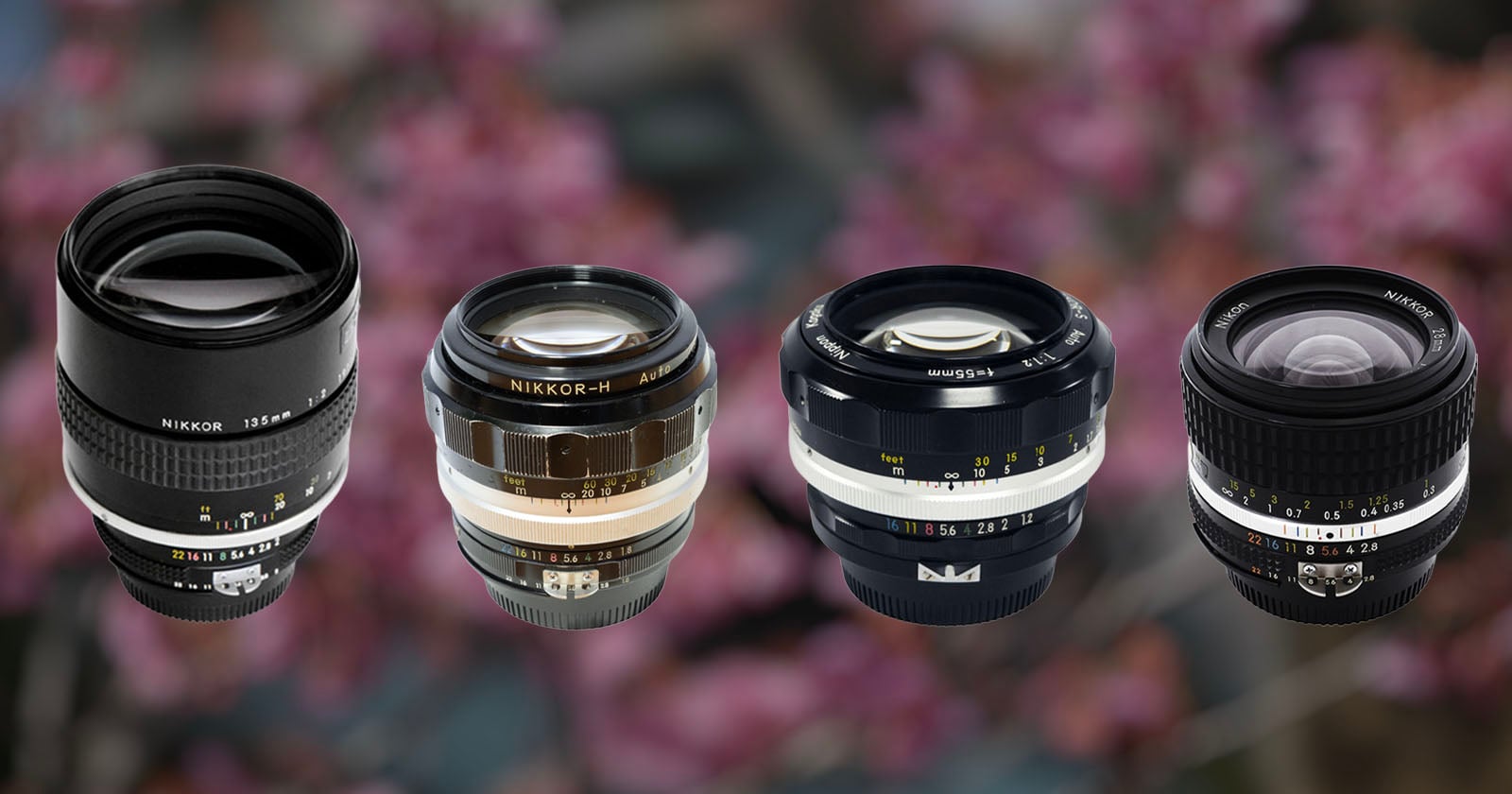
The enduring appeal of vintage photographic equipment isn't merely nostalgia; it’s a testament to the exquisite craftsmanship and optical brilliance often absent in modern mass production. Recent discussions surrounding Nikon's heritage, spurred by a thoughtful piece on the S3 rangefinder and the subsequent observation that their classic lenses remain untouched, highlight a perplexing oversight by a company synonymous with photographic innovation. It’s a sentiment echoed across the photography community, a collective wondering why such revered optics aren't given a new lease on life. The demand is demonstrably there, evidenced by the continued interest in lenses like the Nikkor 35mm f/1.8 and the various primes from the 1960s and 70s – lenses that still deliver a unique character and rendering prized by photographers seeking an alternative to the clinical perfection of contemporary glass. As we’ve explored in pieces like The 4 Best Fisheye Lenses Released in the Past 5 Years, photographers continually seek lenses that offer a distinct visual signature, and Nikon’s heritage lenses possess that in abundance. The current landscape also demonstrates a growing awareness of photographer's rights, as noted in ACLU Sues ICE for Failing to Turn Over Records on Threats to Photographers Who Film Federal Agents, underscoring the importance of accessible and reliable tools for visual storytelling.
The core of the issue isn’t simply about recreating existing designs; it’s about understanding *why* those designs resonated so powerfully. Modern lens manufacturing prioritizes sharpness and aberration correction to an almost obsessive degree, often at the expense of character and personality. Nikon's classic lenses, while perhaps not as technically “perfect” by today’s standards, possessed a distinct “feel” – a certain softness, a unique rendering of bokeh, and an overall aesthetic that many find deeply appealing. A "Heritage Series" wouldn't be about simply replicating those lenses, but about reimagining them for the modern era, perhaps utilizing contemporary coatings and build quality while retaining the core optical DNA. We’ve seen other manufacturers successfully navigate this delicate balance, offering modernized versions of classic lenses that capture the essence of the originals while meeting contemporary performance expectations. The potential for such a series to invigorate Nikon’s lens lineup is significant, appealing to both seasoned professionals seeking a distinct visual style and younger photographers drawn to the romanticism of analog photography.
The business case for a Heritage Series is compelling. The market for boutique lenses and specialized optics is growing, fueled by a desire for individuality and a rejection of the homogenous look often produced by modern lenses. Furthermore, such a series could serve as a powerful marketing tool, reinforcing Nikon’s legacy of photographic excellence and attracting a new generation of enthusiasts. It’s not just about selling lenses; it's about selling a *story*, a connection to a rich history of innovation and artistry. The relative ease with which some manufacturers have successfully reintroduced vintage aesthetics suggests that the barriers to entry are not insurmountable. The challenges would undoubtedly involve navigating intellectual property rights and ensuring that the modernized lenses meet contemporary quality standards, but the potential rewards far outweigh the risks. Even considerations surrounding legal restrictions in regions like Bali, as highlighted in Bali is Cracking Down on Photographers Traveling with Tourist Visas, reinforce the need for robust, reliable equipment that photographers can depend upon.
Ultimately, Nikon’s hesitation to embrace its heritage remains a puzzling anomaly. While the complexities of re-engineering vintage optics are undeniable, the demand for lenses with character and personality is stronger than ever. The question isn't whether a Heritage Series *could* work, but rather, why Nikon hasn’t already recognized this opportunity. As the photographic landscape continues to evolve, and as photographers increasingly prioritize individuality and artistic expression, will Nikon finally unlock the potential of its iconic legacy, or will it continue to leave this valuable asset untapped, allowing competitors to capitalize on the yearning for authentic, beautifully rendered images?
Earlier this week, I published a "review" of sorts of the Nikon S3 rangefinder, which I believe to be one of the most beautiful cameras ever made. Through that experience, though, I was reminded of Nikon's vintage glass, and once again baffled by how the company hasn't remade them.
Read on the original site
Open the publisher's page for the full experience